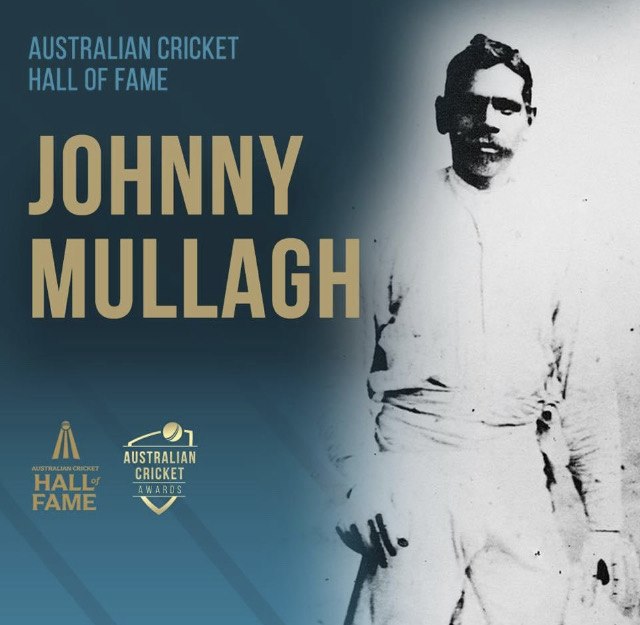
Thirteen men, one extraordinary journey
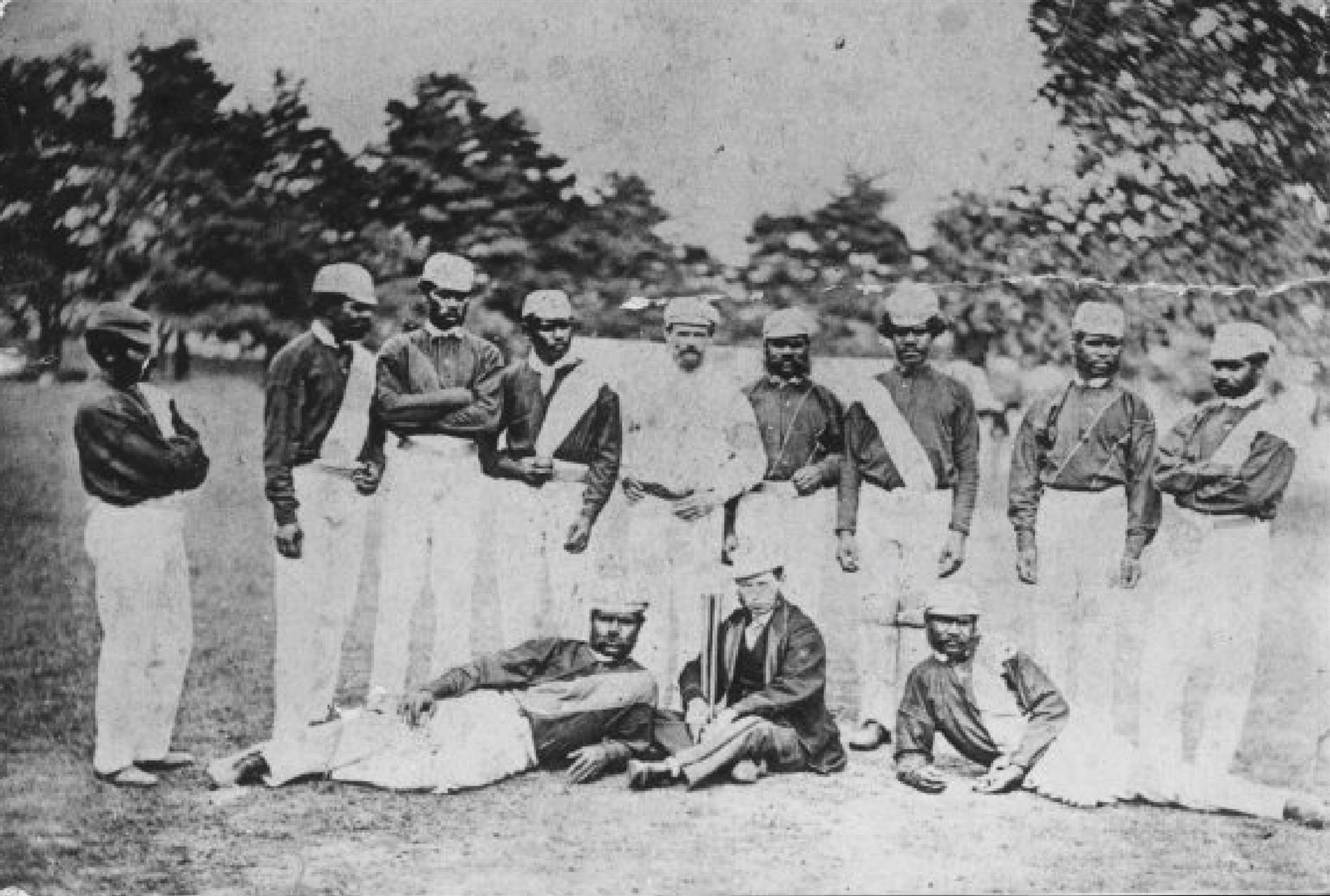
The story of Unaarrimin (Johnny Mullagh) and the First XI of 1868 is a remarkable testament to courage, resilience and sheer endurance. Thirteen Aboriginal men journeyed from Victoria to play cricket in England at a time when the odds were overwhelmingly against them.
They played 47 matches across six months, winning 14, losing 14 and drawing 19, up against ill health and an unfamiliar climate, while navigating the injustices and prejudices of colonial society. Unaarrimin, the standout all-rounder of the team, scored 1,698 runs and took 245 wickets, defying expectation and carving his place in history.
It is a story of triumph, perseverance and unfaltering spirit in the face of adversity, one told every day at the Harrow Discovery Centre, most often to visitors who have never heard it before.
A boy at Pine Hills
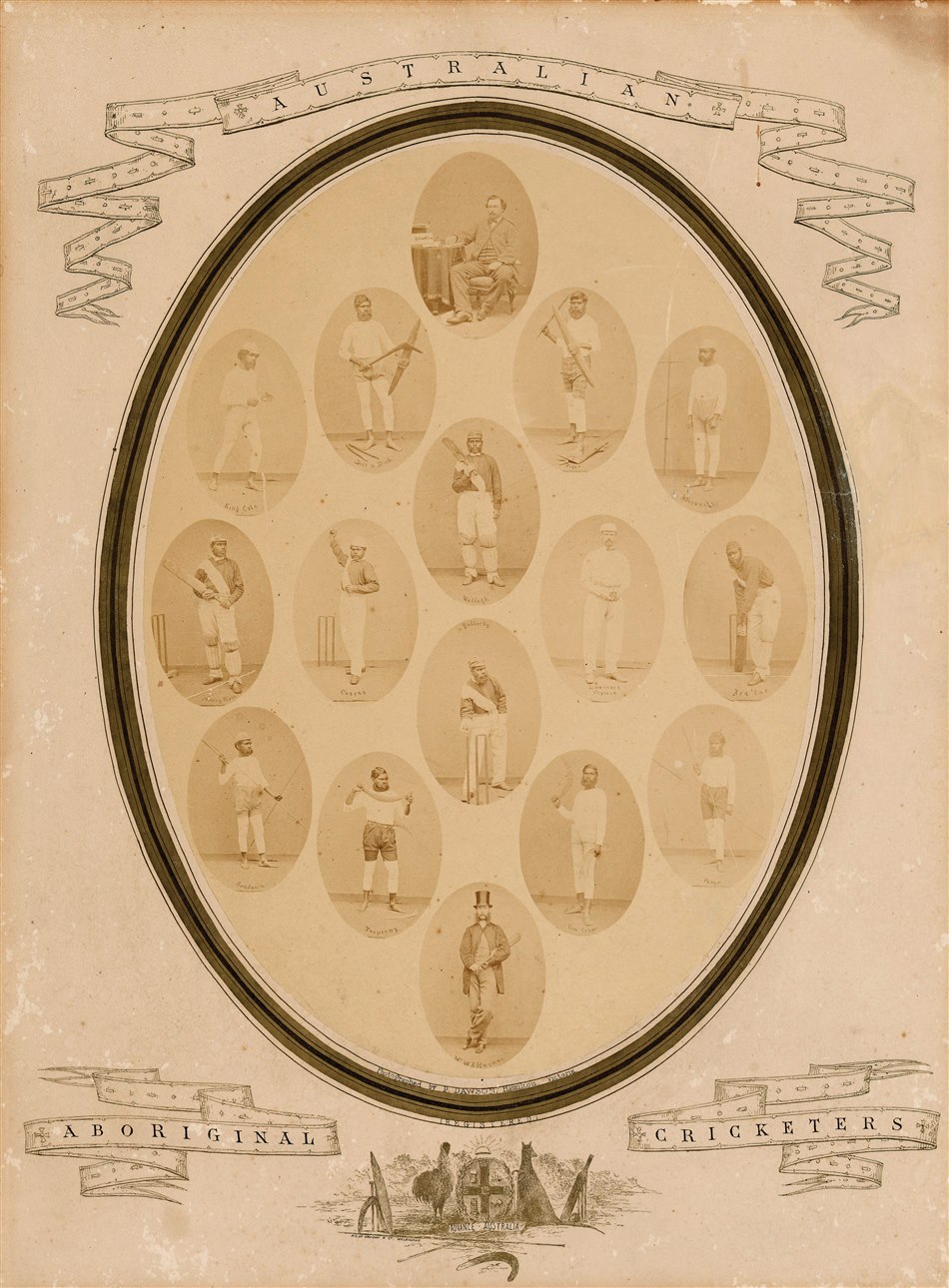
Unaarrimin was his traditional name. He was first known as “Black Johnny”, and then “Johnny of Mullagh”, after the Mullagh run nearby, a vast pastoral lease that Owen O'Reilly had named for Mullagh in County Cavan, Ireland, the place he came from, before leasing it out to others to farm. In time the name was shortened to Johnny Mullagh, reflecting the practice of the era, when the Aboriginal cricketers were given European names because their own were disregarded as too difficult to pronounce.
A groom on the neighbouring Pine Hills station, Unaarrimin spent most of his life working between the two properties. The exact date and place of his birth are unknown, but information handed down from the Edgar family, who settled Pine Hills, records that he was a boy of about ten when they arrived in the early 1850s. It was here that he was introduced to cricket, when a young John Thomas Edgar returned home from Scotch College in Melbourne with all the latest techniques, one of them being round-arm bowling. William Burvill, a tutor at Pine Hills, taught him the rudiments of the game, and soon recognised his natural ability.
Johnnie Mullagh learned his first cricket from Mr Burvill, our schoolmaster… No doubt the pick handle gave him his splendid defence, and the trip to England finished him. He was a wonderful bat, impossible to bowl to when he liked.J. T. Edgar, in a letter to his daughter
Gold, stations and a natural gift
The discovery of gold in central Victoria in the early 1850s lured many station workers to the goldfields in search of fortune. Left short of staff, property owners employed local Aboriginal men and women in the roles the prospectors had vacated, and it was during this time that Aboriginal men were introduced to cricket.
It was not uncommon in the 1860s for stations to hold their own matches on a makeshift pitch in the front paddock, a few sticks knocked in for stumps, much like today's backyard cricket. Stations often spanned 50,000 to 150,000 acres and required large workforces, so fielding a team was no difficulty. Skills honed over more than 60,000 years of adaptation and athleticism translated quickly to the game, revealing the players as outstanding natural cricketers. The most talented and natural of them all was Unaarrimin.
1866, from Edenhope to the MCG
Cricket matches between neighbouring stations ensued, and on 24 January 1866 Unaarrimin played for the “Edenhope Blacks” against the Edenhope Cricket Club. That March, two young station hands, Thomas Hamilton, a capable cricketer, and William Hayman, the self-appointed manager, took the team to Hamilton to play, and won. By year's end, Thomas Wentworth Wills, the finest cricketer in Victoria, was engaged to coach the Aboriginal team on the shores of Lake Wallace at Edenhope.
Their preparation was for a Boxing Day match in 1866 against the Melbourne Cricket Club, for whom Wills played. Well promoted and steeped in ceremony, the match drew some 10,000 spectators. The Aboriginal team lost, but the spectacle was a resounding success, and Unaarrimin's prowess did not go unnoticed.
Mullagh made the splendid score of 33… and in the course of his long innings exhibited some fine cricket. Upon his return to the pavilion he was loudly cheered, and we understand that he will be presented with a prize bat.The Herald, 1866
It was in memory of this historic match, and in honour of Johnny Mullagh and the Aboriginal team of 1866, that the Mullagh Medal would be introduced in 2020, more than 150 years on. It wasn't only the team's cricket that drew admiration, but the athletic feats and cultural displays after matches, foot races, high jump and ball-throwing contests, in which, for a fee, spectators could challenge the players in hope of winning the purse. The players' dexterity meant those contests were usually lost, filling the coffers of management.
Charles Lawrence and the road to England
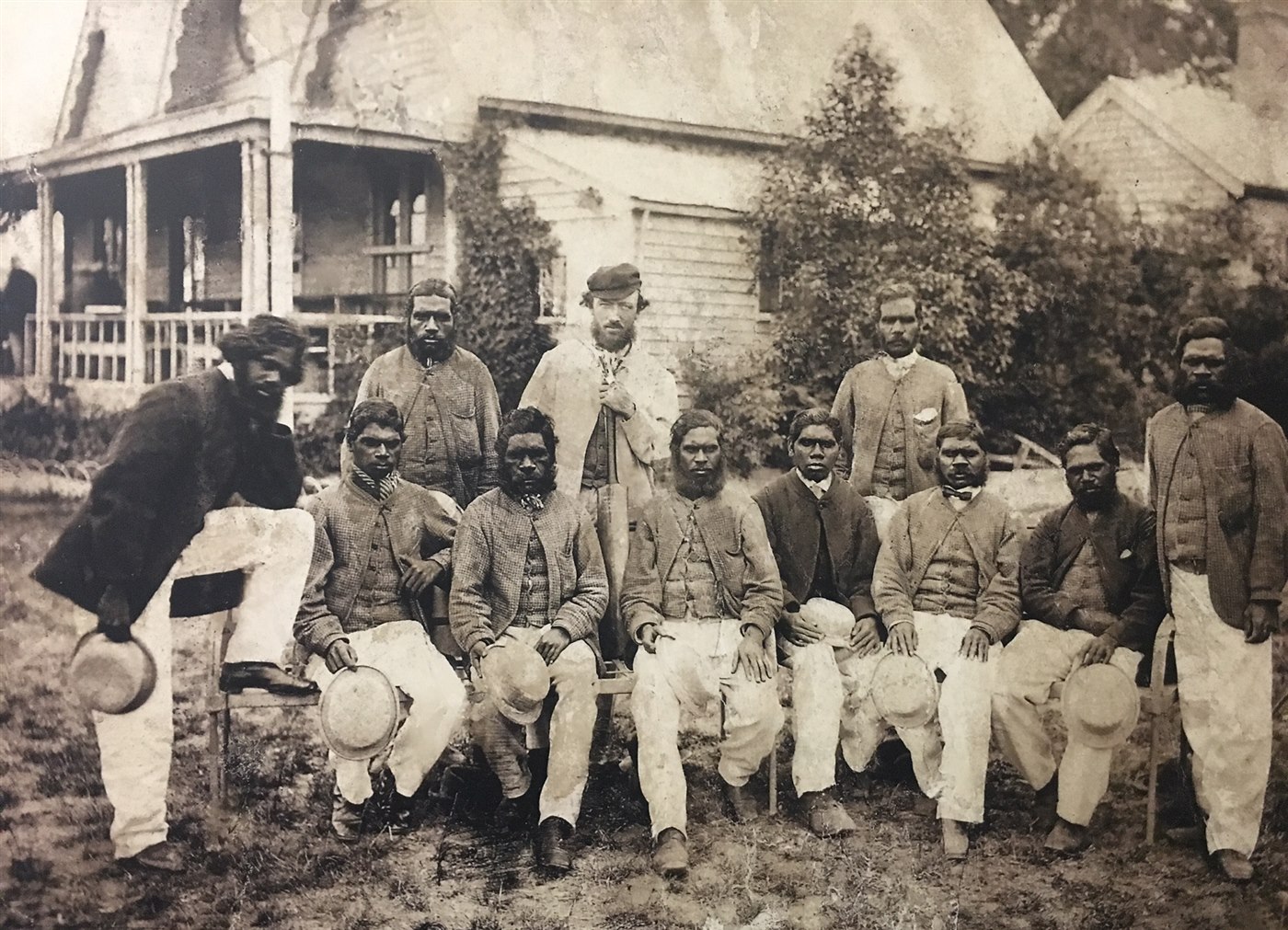
In early 1867, under Tom Wills' captaincy, the team toured New South Wales. Misfortune struck when William Gurnett, a notorious Sydney confidence man, took control as speculator, stole the team's hard-earned takings and left them stranded. The Englishman Charles Lawrence, a former Surrey player and new leaseholder of the Manly Pier Hotel, stepped in to house and support the men until funds were raised to return them to Victoria. From that moment Wills had no further involvement, and Lawrence assumed leadership as captain.
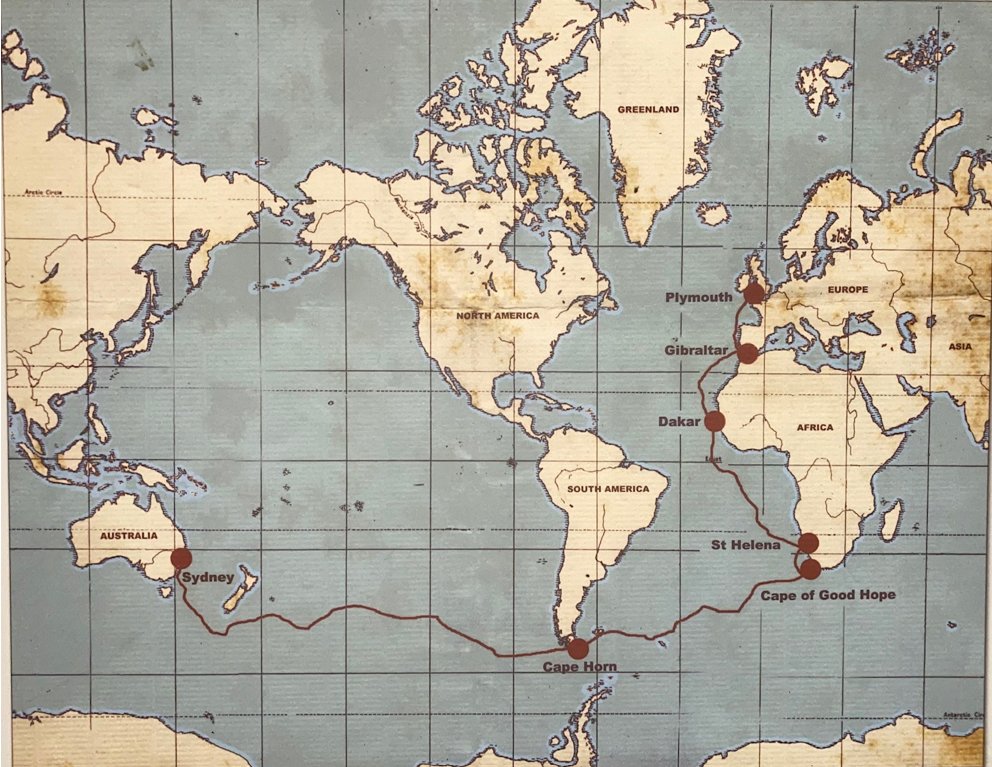
Lawrence had come to Australia with H. H. Stevenson's All England XI in 1861–62, the first team ever to tour Australia, having already built a distinguished career as a coach in England and Ireland. In the spring of 1867 he returned to Lake Wallace to honour his promise and revive the dream of taking the team to England. With financial backing secured, he fulfilled it, leaving Australia with the Aboriginal Cricket Team aboard the wool clipper Parramatta on 8 February 1868, and arriving in Plymouth on 13 May.
England, 1868
Unaarrimin was the standout all-rounder of the tour, his performances heralded as exceptional. The team lost their first match against Surrey by an innings and seven runs, but Mullagh impressed with innings of 33 and 73, took over the wicketkeeping halfway through, gloved a fine catch, and at the close was cheered and carried shoulder-high from the oval.
His most notable innings came against the gentlemen of the Marylebone Cricket Club at Lord's, an XI that included the Earl of Coventry and Viscount Downe. Mullagh top-scored with 75, sparking the interest of W. G. Grace.
They acquitted themselves very well, and showed conspicuous skill in the game.W. G. Grace
Grace was later credited with saying that, with a little coaching, Mullagh could have been the best batsman in the world, and reportedly wanted him to stay and play cricket in England. Mullagh's highest score, 94 against Reading, earned him a silver cup from the Lord of the Manor; in that same match his teammate Jarrawak, Twopenny, scored nine runs off a single ball. Of the many prizes awarded to Mullagh, the most treasured was a silver fob watch and chain, “presented to J. Mullagh by the Gentlemen of Sussex for his fine display of cricket in Brighton, June 8th & 9th, 1868.”
In Wales, the team played the Gentlemen of Swansea at the St Helens ground before a crowd of more than 3,000. The photograph now featured on the Mullagh Medal was taken there, and the gate takings that day bought the very ground, in effect the beginning of Welsh cricket.
Mullagh was undoubtedly the finest batsman he had ever bowled against.Charles Lawrence, on the words of England fast bowler George Tarrant
Unaarrimin's 1868 tour
A batting average of 23.86 across 70 innings, a hat-trick with the ball, and 17 stumpings as a stand-in wicketkeeper, figures that surely rank Unaarrimin among the greatest all-rounders the game has known.
Home again
On returning from England, Unaarrimin and his teammate Yellanach, Johnny Cuzens, remained in Melbourne under contract to the Melbourne Cricket Club. Both fell seriously ill; Unaarrimin nearly died of pneumonia before slowly recovering back on country. Though he continued to play for the Harrow Cricket Club, he declined repeated offers to return to Melbourne for fear of falling ill again, and lived and worked at Pine Hills, spending the last years of his life at his camp by the waterhole on Country near Harrow.
In 1879, after a brilliant season with Harrow, he returned to Melbourne, selected to play for Victoria against Lord Harris's All England XI. The Australasian praised his “graceful forward play and strong defence,” while Lord Harris remembered him as “a very elegant bat.” Through the 1880s Harrow dominated the Murray Challenge Cup, undefeated for three consecutive years. Mullagh was a key player in a south-east of South Australia team in a series of matches in Adelaide in 1884-5. His finest innings was against the Norwood team captained by Test player George Giffen, where he carried his bat for 43 not out on the Adelaide Oval.
Runs came freely, the spectators cheered, the fieldsmen were rubbing their hands… Giffen was anxious to obtain the much-coveted honour of lowering this wicket. Fate decreed otherwise.Border Watch
A quiet, dignified life
Mullagh continued playing for Harrow and district clubs until the season before his death on 14 August 1891. He lived a solitary life, never marrying, preferring the simplicity of his bush camp by the waterhole with his dogs. He was buried with dignity and respect by the Harrow Cricket Club and community.
The favourite bat, so often successfully wielded by the late veteran, together with a set of stumps, was placed on his coffin, and each member of the club put a sprig of blackberry and yellow flowers on it, the Harrow colours, which the deceased had so often helped to victory.Hamilton Spectator, August 1891
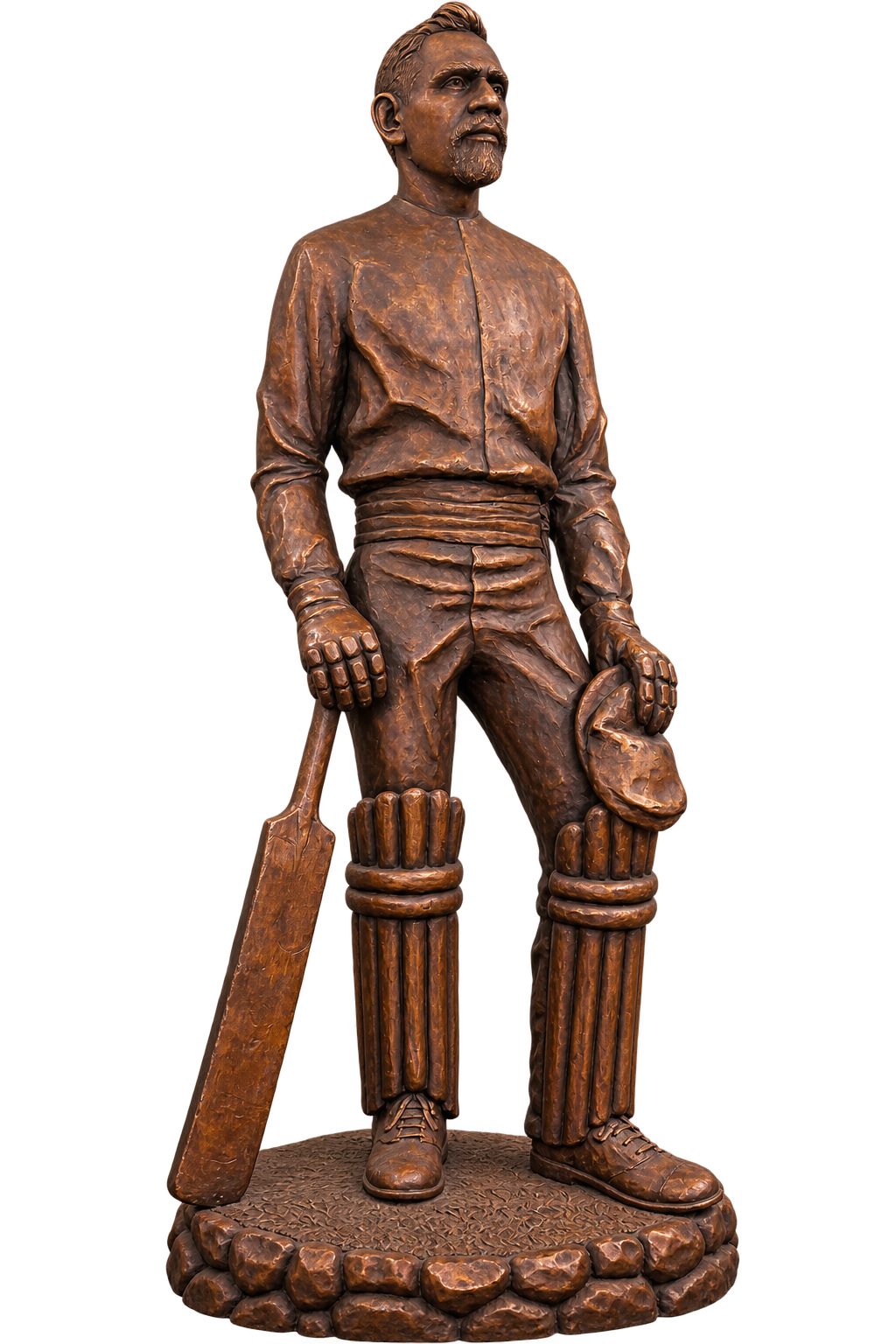
In later years the Harrow cricket ground was named in his honour, and a memorial obelisk was raised, and it still stands today, overlooking the oval where he once played. Those who knew him remembered a horseman and a gentleman: “humble, upright, quiet, retiring and civil,” one wrote; a man who “protested against racial discrimination in a most dignified manner.” On the pitch, he let his bat do the talking.
Retracing the journey
In June 2025, two members of the Harrow Discovery Centre, together with two descendants of the First XI, led a delegation to the United Kingdom to launch the fourth edition of Cricket Walkabout and to visit the places bound up with the 1868 tour.
At Meath Gardens in London, once the Victoria Cemetery, Ian Friend, great-great-grandson of Charles Lawrence, read the eulogy that Lawrence had written for Brippokoi, King Cole, the young player who died during the 1868 tour. Aunty Fiona Clarke, a Kirrae Whurrong-Gunditjmara woman and descendant of Grongorrong, James Cousens, was deeply moved at the sacred site.
Ian Friend's words about reading the eulogy at Meath Gardens will appear here.
Ian Friend, great-great-grandson of Charles Lawrence
Aunty Fiona Clarke's reflection on the sacred site will appear here.
Aunty Fiona Clarke, Kirrae Whurrong-Gunditjmara, descendant of Grongorrong, James Cousens
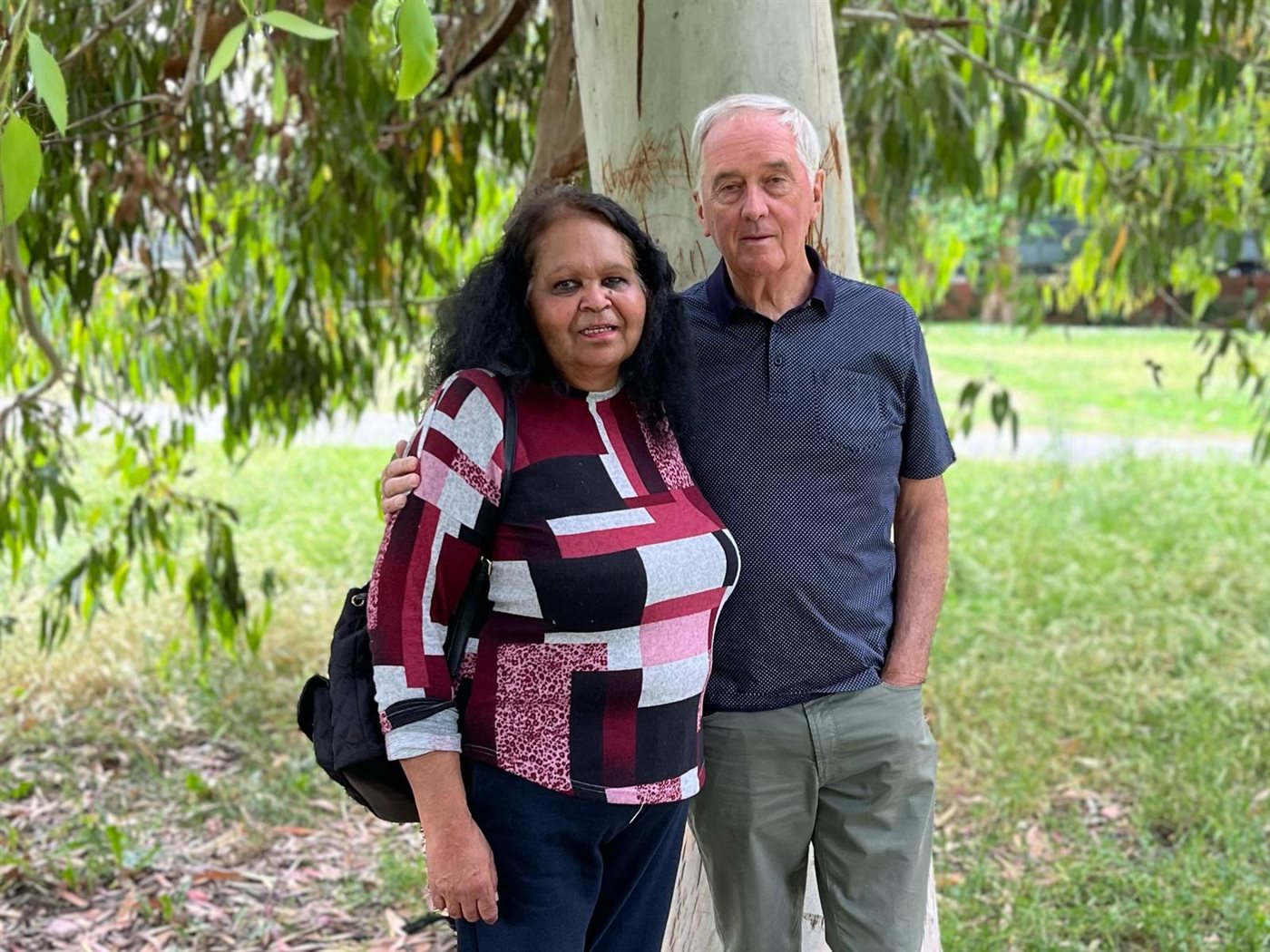
The group was welcomed at the Oval, at Lord's, aboard the SS Great Britain in Bristol, and at St Helens in Swansea. At Trent Bridge, the group launched the fourth edition of Cricket Walkabout and were welcomed at a special afternoon tea. Descendants of players from the Trent Bridge team that played against the Aboriginal cricketers in 1868 were invited to attend and share their own family cricket histories, creating a wonderful connection between the past and present. Fittingly, the historic team photograph taken at Trent Bridge during the 1868 tour is proudly featured on the front cover of the fourth edition of Cricket Walkabout. Plans are already under way to return for the 2027 Ashes tour, with more descendants alongside.
Still carried today
Today Unaarrimin, Johnny Mullagh, stands as one of Australia's first true sporting heroes, his story woven into both local and national identity. In 2020, Cricket Australia introduced the Mullagh Medal to honour him and the First XI, awarded to the Player of the Match at the Boxing Day Test, and Ajinkya Rahane won the inaugural medal. In 2021, Johnny Mullagh was inducted into the Australian Cricket Hall of Fame, the first Aboriginal cricketer to be so honoured, the same year that Scott Boland, a proud Gulidjan man, won the Mullagh Medal on his Test debut with a remarkable 6 wickets for 7 runs. The medal is held on permanent display here in Harrow, travelling to the MCG each December. A living link from the First XI to the Test side of today, Scott is now patron of the Fellowship Foundation, lending his voice to keeping the 1868 team's legacy alive.
Established in 2004 with the support and cultural guidance of descendants of the First XI, the Harrow Discovery Centre keeps this story alive, remembered with pride by a community, and by the descendants who remain proud custodians of Country. Unaarrimin's life reminds us of the courage, resilience and talent of the First XI of 1868, an extraordinary team whose story will never be forgotten.