 Harrow Discovery Centre
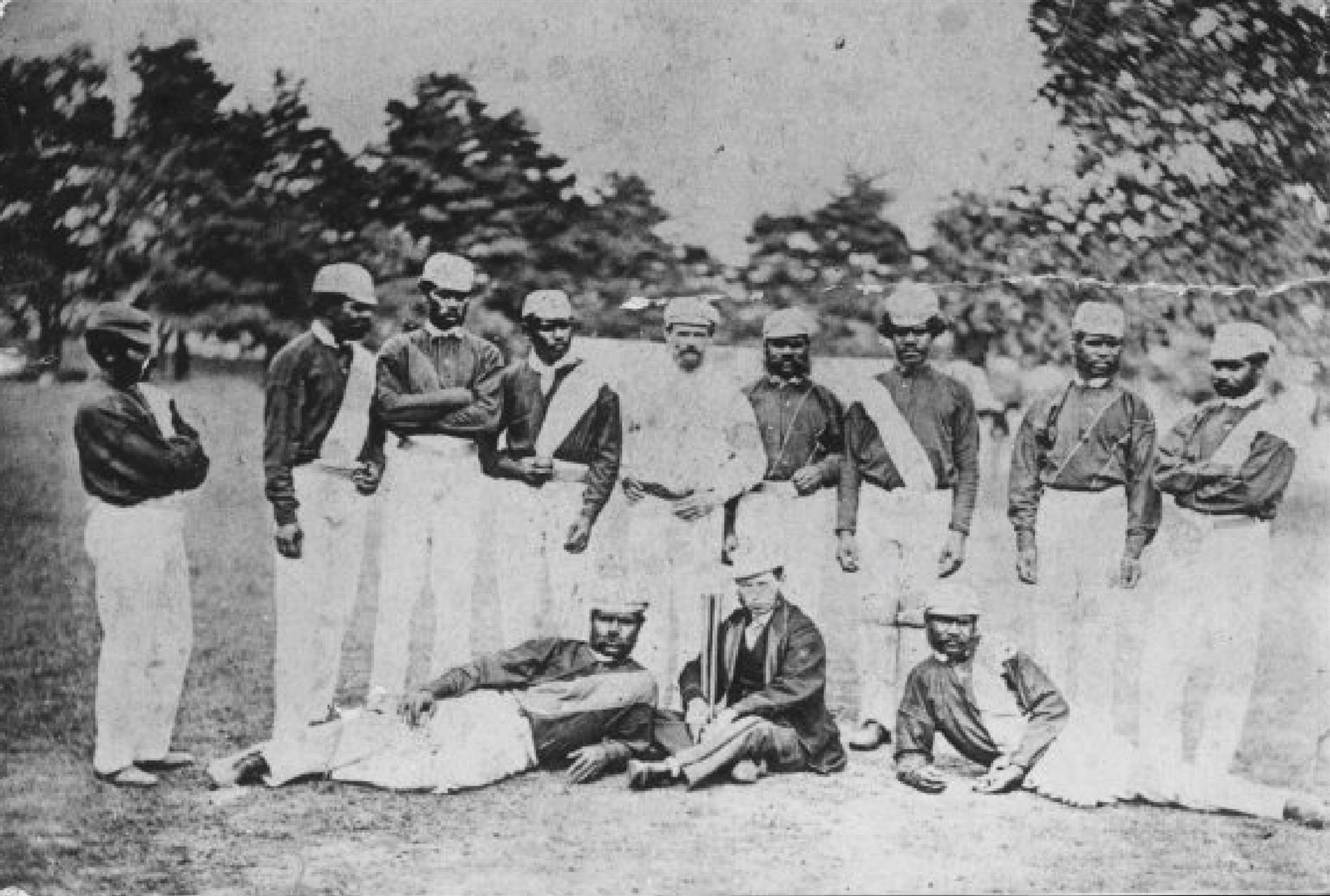
The 1868 First XI
The players, the matches and the memorabilia of the team that started it all.
Aboriginal and Torres Strait Islander peoples should be aware that this website contains images, voices and names of people who have died.
Their stories are shared here with care and respect. We honour the First XI of 1868 and the communities who carry their story forward.
In 1868, a team of Aboriginal cricketers, most of them from Western Victoria, became the first Australians to represent the nation abroad in any sport, sailing to England to take their game and their culture to the other side of the world.
“Nine years before the first Test and the baggy green,” an Aboriginal team took the game and their culture to England.
Most of the 1868 team were from Western Victoria, proud Wotjobaluk and Gunditjmara men from the south-west, with a couple more who joined the side in Sydney. They came to cricket on the vast sheep stations where they worked in many different roles, and their talent was undeniable: athleticism, strength, hunting skill and instincts honed over more than 60,000 years made them exceptional cricketers. Coached first by Tom Wills and then led onto the field by their captain, Charles Lawrence, with the standout all-rounder Unaarrimin, known to the crowds as Johnny Mullagh, they became the first team to represent Australia abroad in any sport.
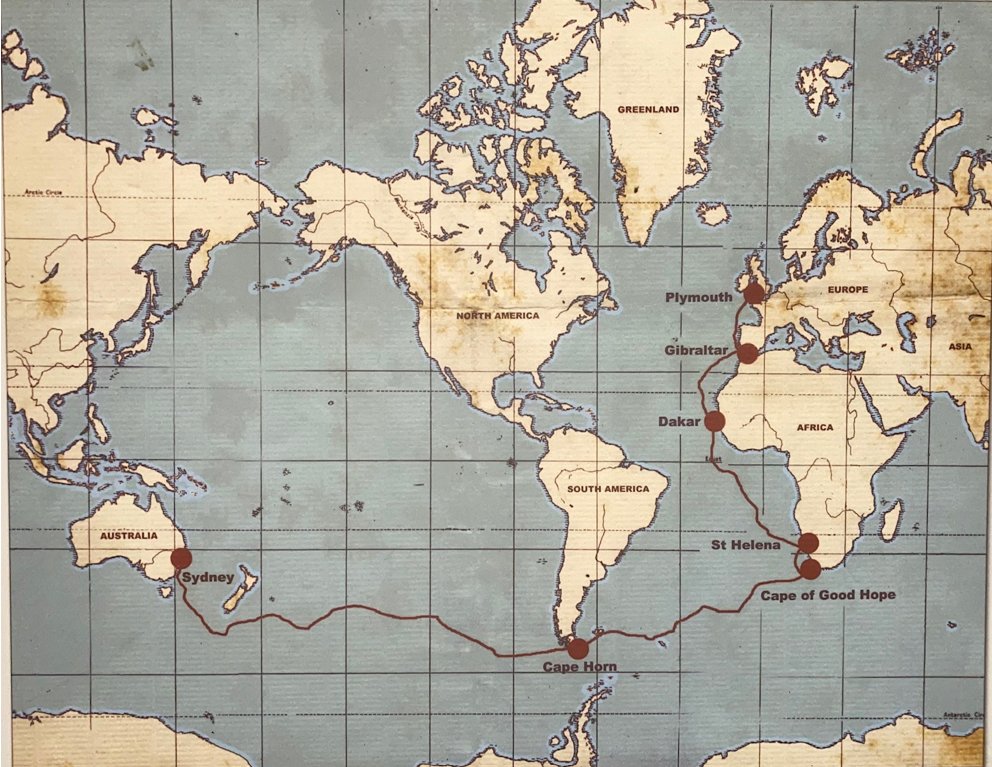
They sailed aboard the wool clipper Parramatta on 8 February 1868 and, after about three months at sea, reached Plymouth on 13 May. Over six months they traversed the English countryside, from Surrey to Nottingham to Swansea to Lord's, playing 47 matches: winning 14, drawing 19 and losing 14.
Today the Discovery Centre showcases that story: the names, the photographs, the artefacts, and the legacy that still runs through Australian cricket more than 150 years on.
Read the full story Explore the collection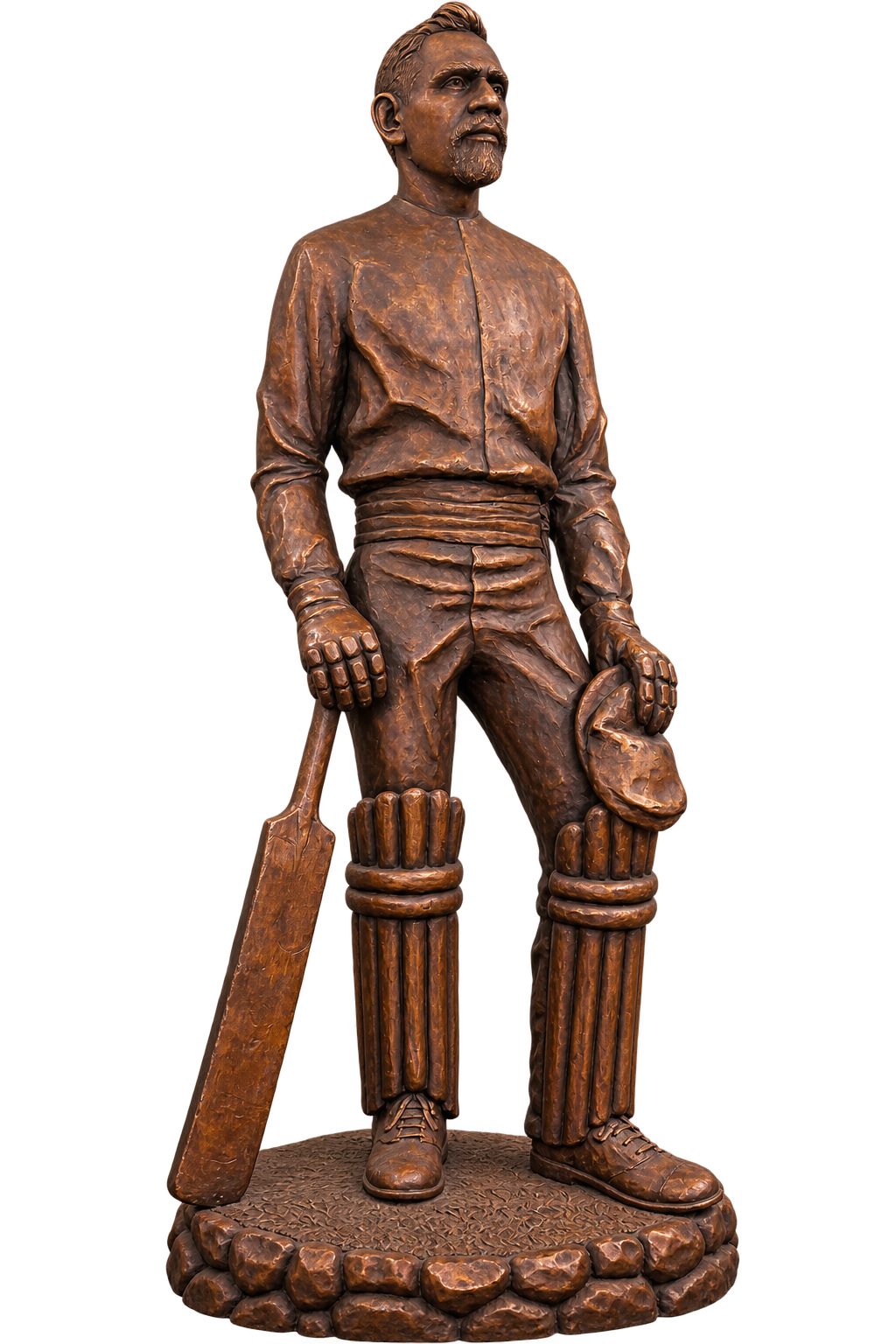
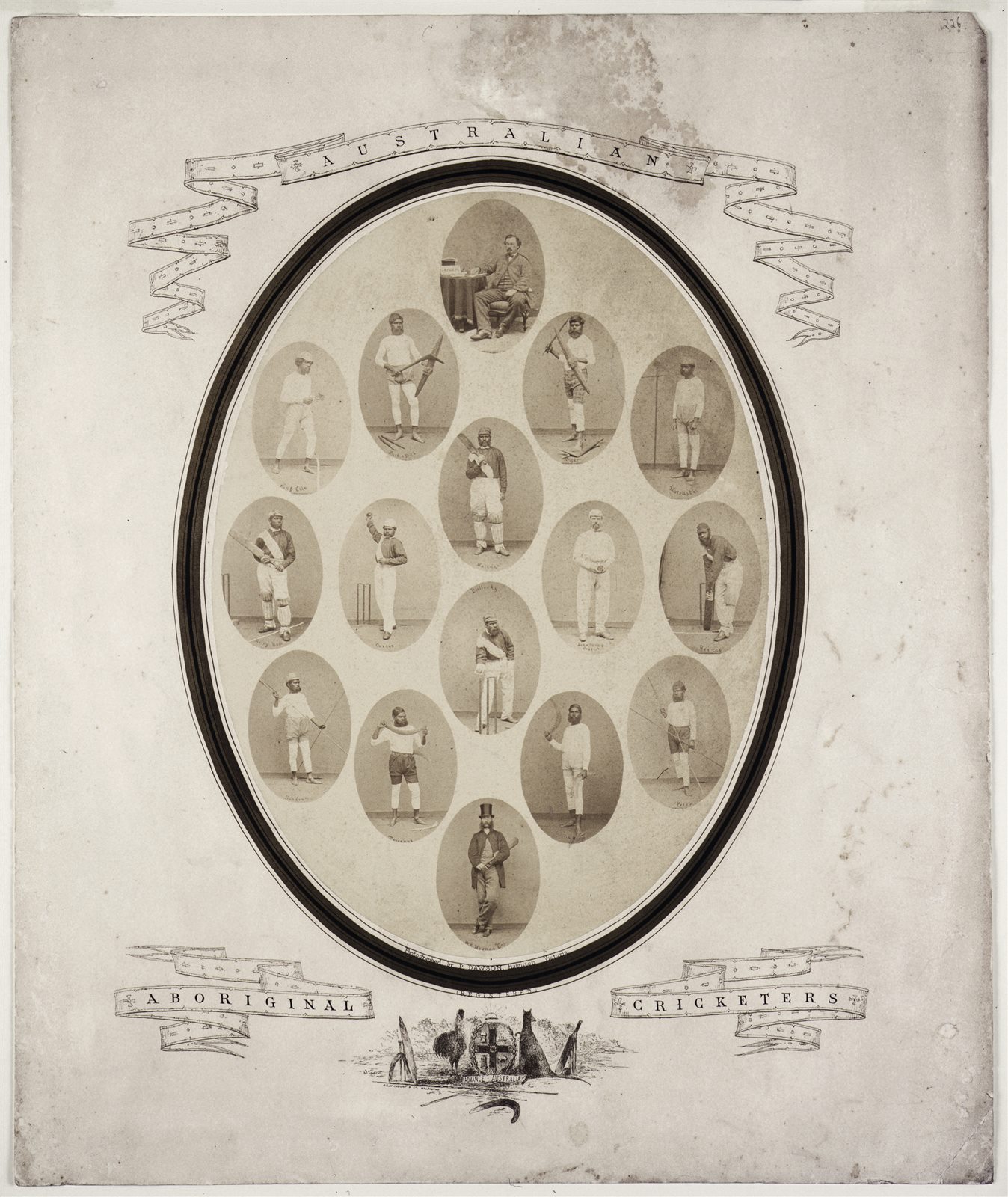
Taken by Patrick Dawson at his Victorian studio in the months before the team left for England, this composite gathers the players in oval portraits, several with bats and stumps, others with boomerangs, spears, clubs and shields. It is among the earliest images of the men who would carry the game and their culture to the other side of the world.
Australian Aboriginal Cricketers, 1867. Photographed by Patrick Dawson. Courtesy of the State Library of New South Wales.
"Cricket Australia acknowledges and commends the great work of the Harrow Discovery Centre in the important role it plays in telling the story of the 1868 First XI. The Centre showcases the Aboriginal cricketers who became Australia's first international sporting team and helped shape the rich history of our game. It helps ensure this significant chapter of our game's history continues to educate and inspire future generations."
Harrow sits on Wotjobaluk Country; across the Glenelg River lies Gunditjmara Country, the traditional land of most of the First XI, who trained near Edenhope on the shores of Lake Wallace. We honour those places and their people, and the descendants who remain proud custodians today.
Explore the interactive map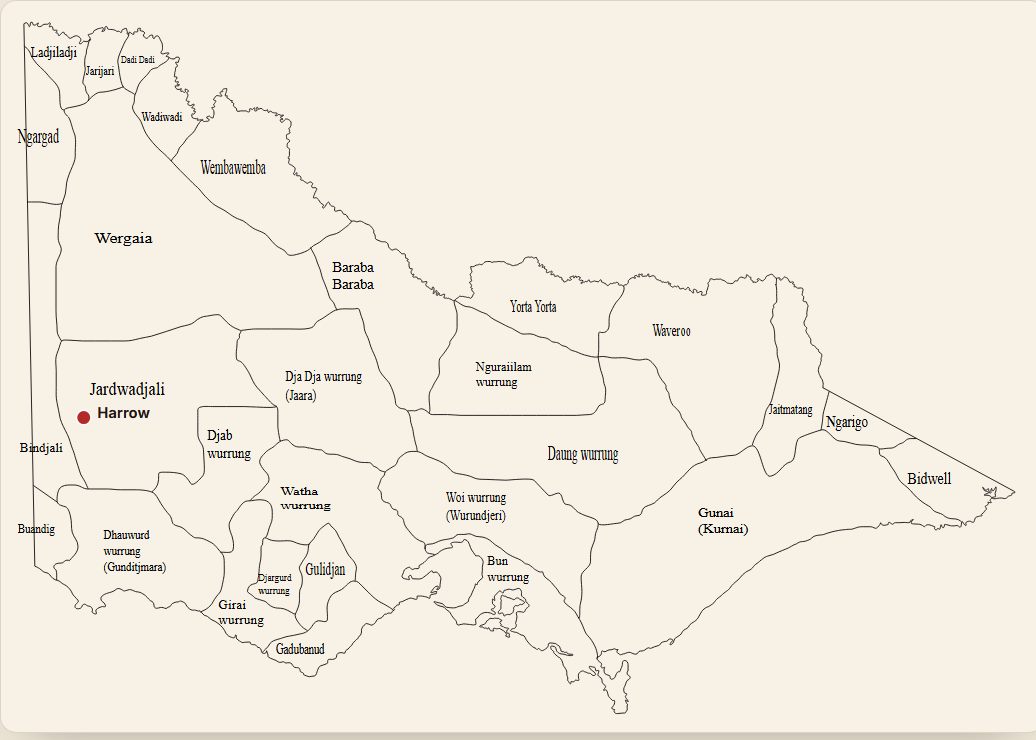 Explore the map
The sea voyage these men made covered more than 21,000 kilometres and long months at sea, around the Cape of Good Hope, to carry the game to the far side of the world and home again.
At its heart this is a human story, of skill, courage and a journey few would have dared. Visitors tell us they arrive curious and leave moved.
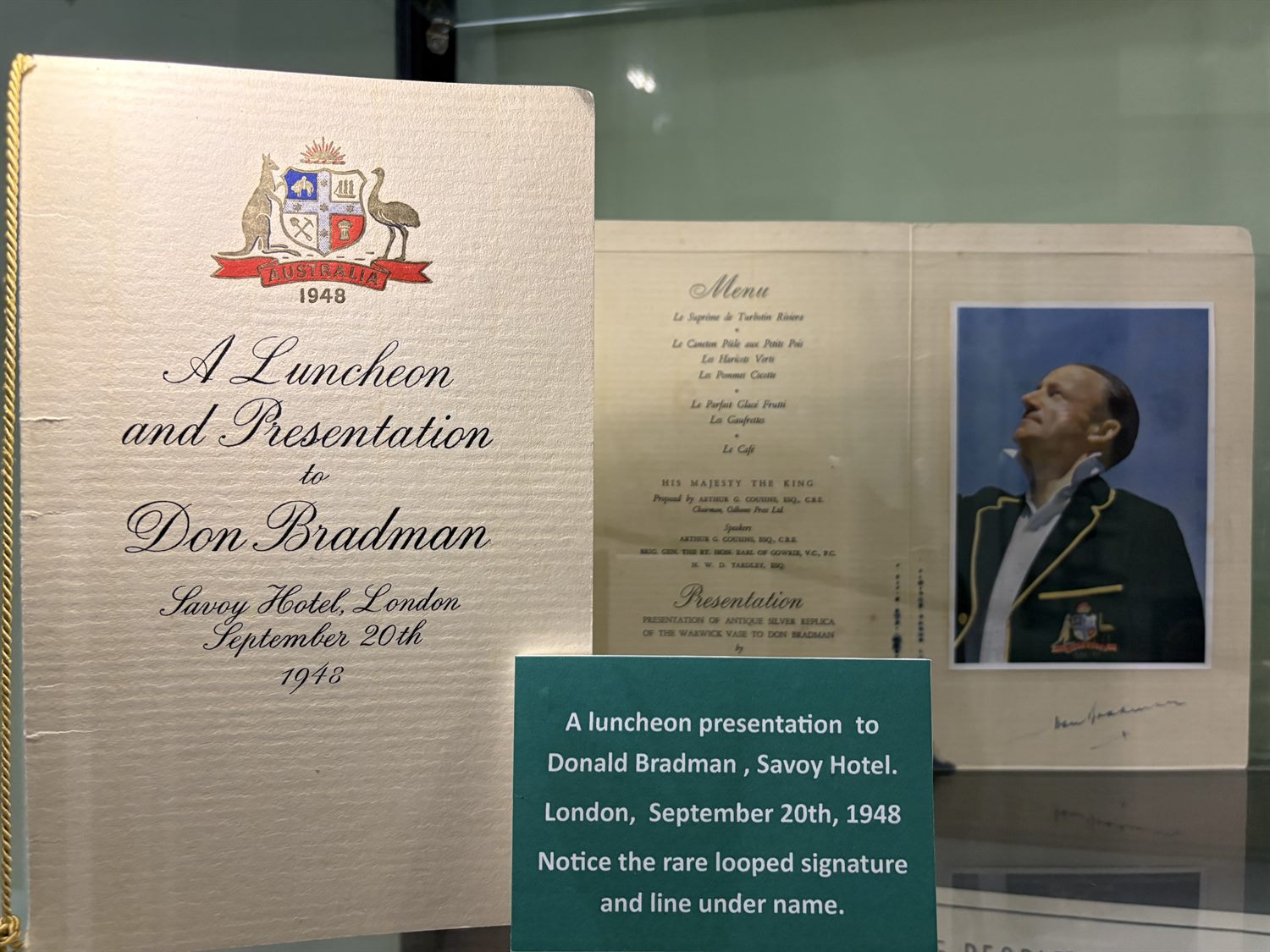
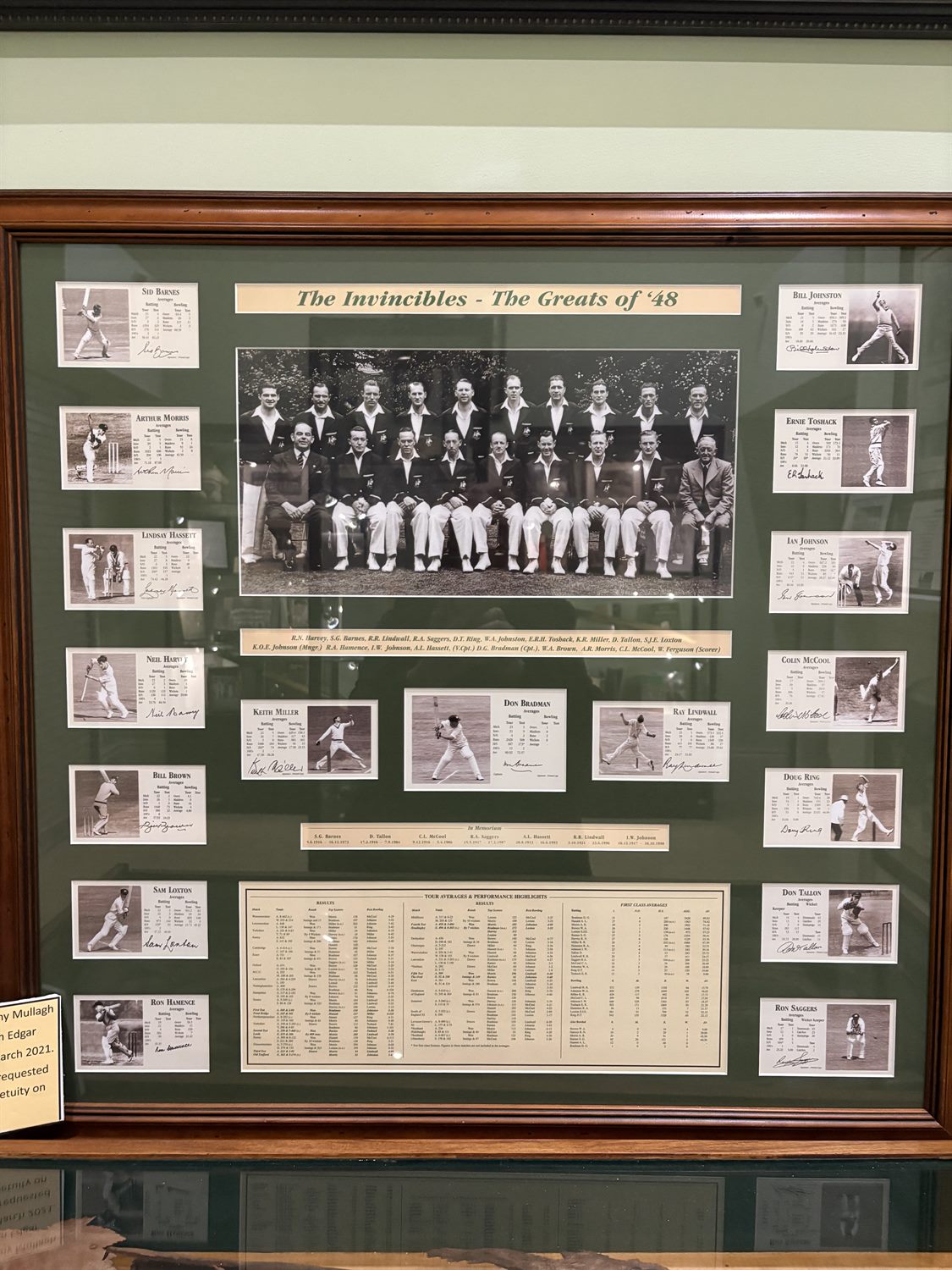
Read the storyOne of the largest private Don Bradman collections in the world, a broad-brim hat once worn by Shane Warne, and the living legacy of the Mullagh Medal, awarded each Boxing Day Test.
See the collectionThe Discovery Centre is a not-for-profit, kept alive by people who believe in this story. The Fellowship Program, championed by our patron Scott Boland, invites you to help preserve Australia's first sporting team for future generations. Choose the level that suits you; every contribution is fully tax-deductible.
 A Cover Drive
$5,000 / year
A significant leadership commitment to the story.
A Full Toss
$1,000 / year
Substantial support for the Centre's growth.
A Ramp Shot
$500 / year
A valued supporter of the story.
A Hook Shot
$100 / year
The heart of our supporter community.
A Bouncer
Any amount
Give what you can; every gift helps.
Every contribution is fully tax-deductible and directly supports the Centre's operations, exhibitions, research, collections and future.
Singer-songwriter Matt Scullion tells the story of the First XI, and their journey to England, in song.
Retracing the 1868 tour, Walkabout Wickets follows today's Indigenous cricketers to England, in the footsteps of the First XI who first made that journey. A moving companion to the story told here in Harrow.
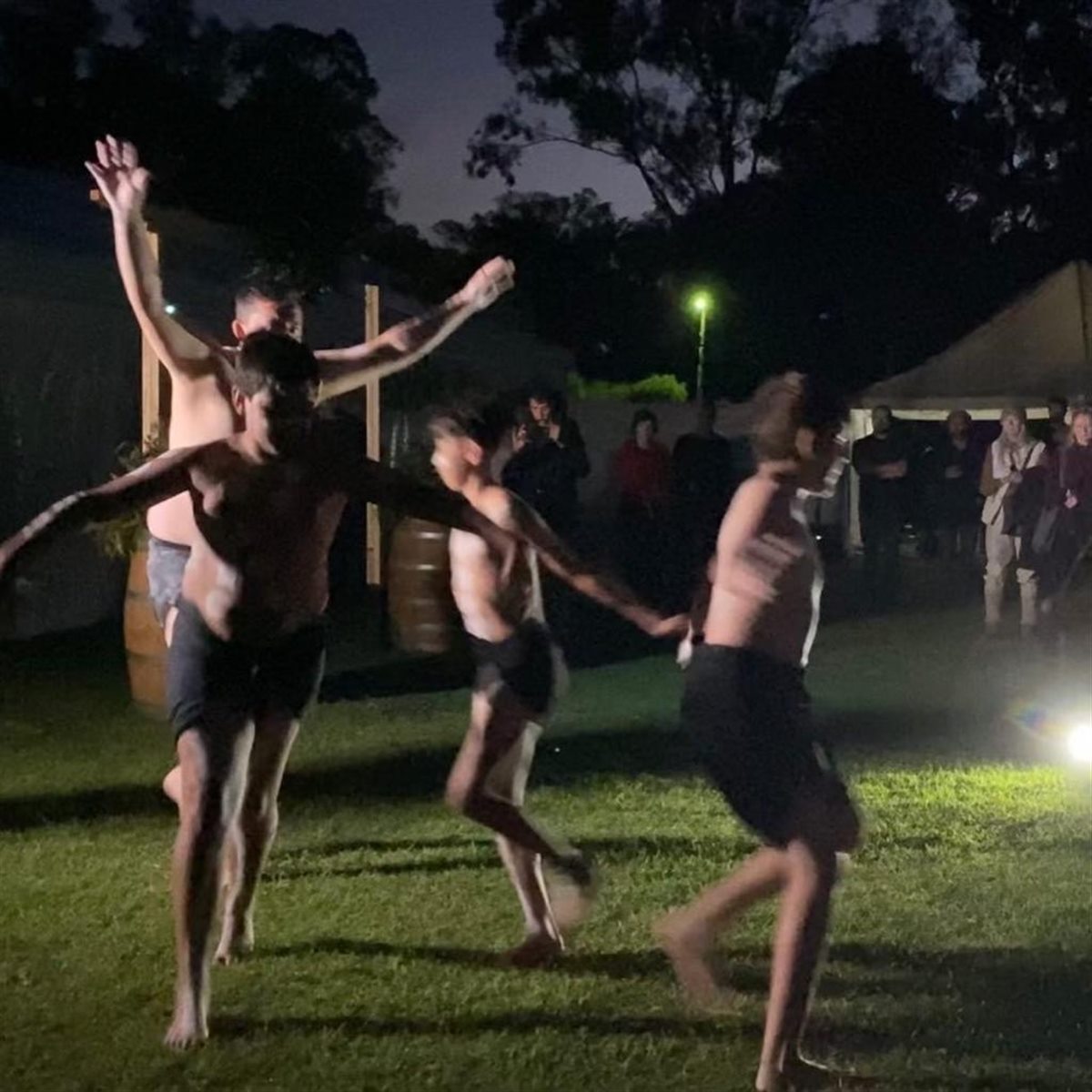
SBS On Demand · Free to stream Walkabout Wickets Watch on SBS On DemandThe acclaimed Australian play Black Cockatoo, written by Geoffrey Atherden and directed by Wesley Enoch for Ensemble Theatre Sydney, tells the story of Unaarrimin, Johnny Mullagh, and the First XI. On 2 April 2022 it was staged at Harrow's Johnny Mullagh Oval, the ground that carries his name. Hundreds gathered under the open sky, and the occasion made news across the country.
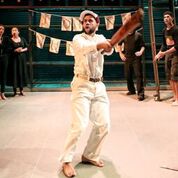
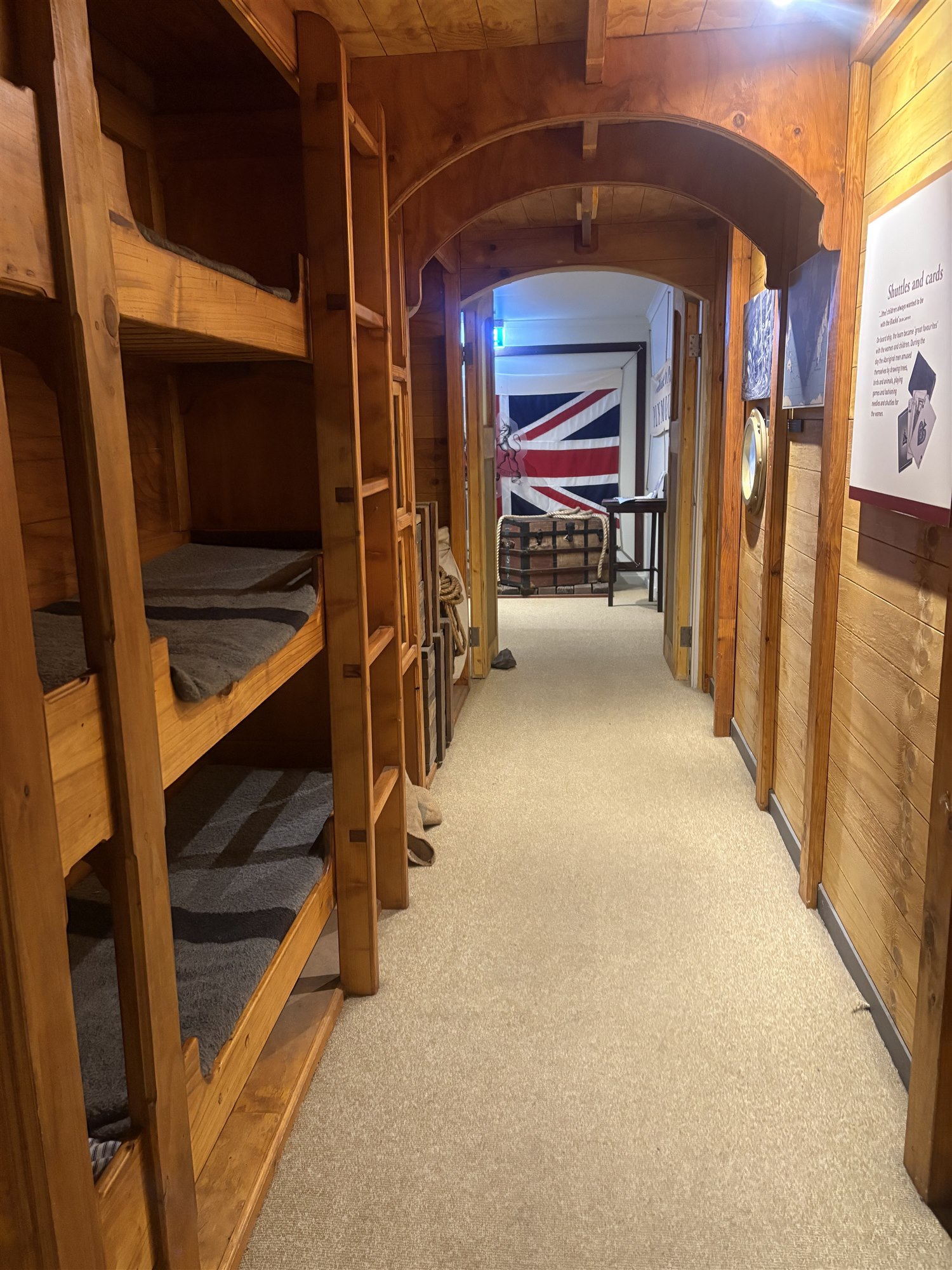
Our boat room recreates the experience of the long voyage to England, the close quarters, the swell, the months at sea that the team endured to play the game they loved. It is the moment visitors remember most.
An experience for all ages, and the heart of the Centre.
"The first tour of England undertaken by an Australian cricket team remains the most miraculous of all. Its commemoration by the Harrow Discovery Centre is an investment in our national game's past and future."
Gideon Haigh · Cricket writer and historian
Permanent exhibits and a world-class cricket collection spanning 1868 to the modern game, alongside original artworks that bring the story to life.
The players, the matches and the memorabilia of the team that started it all.
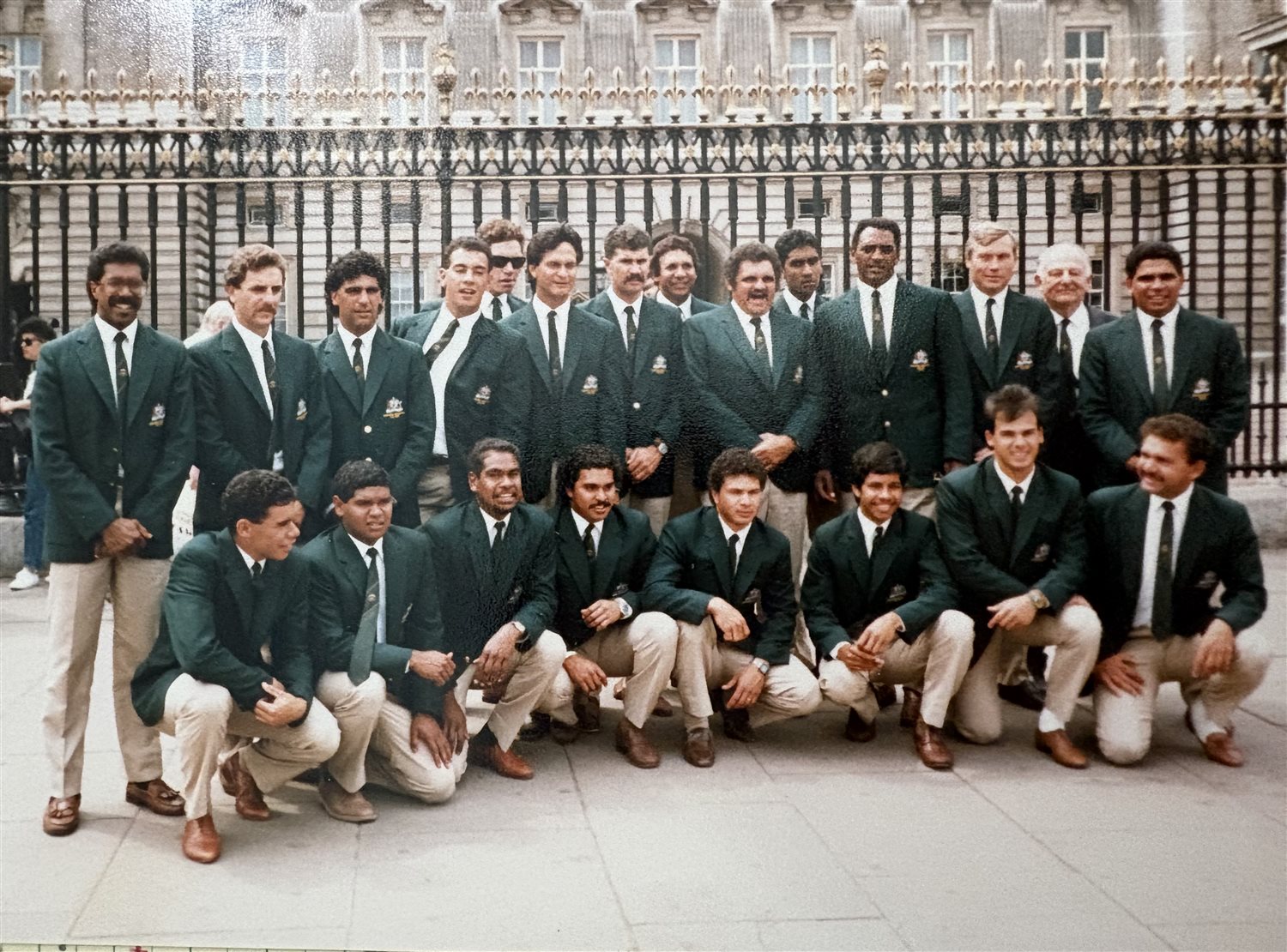
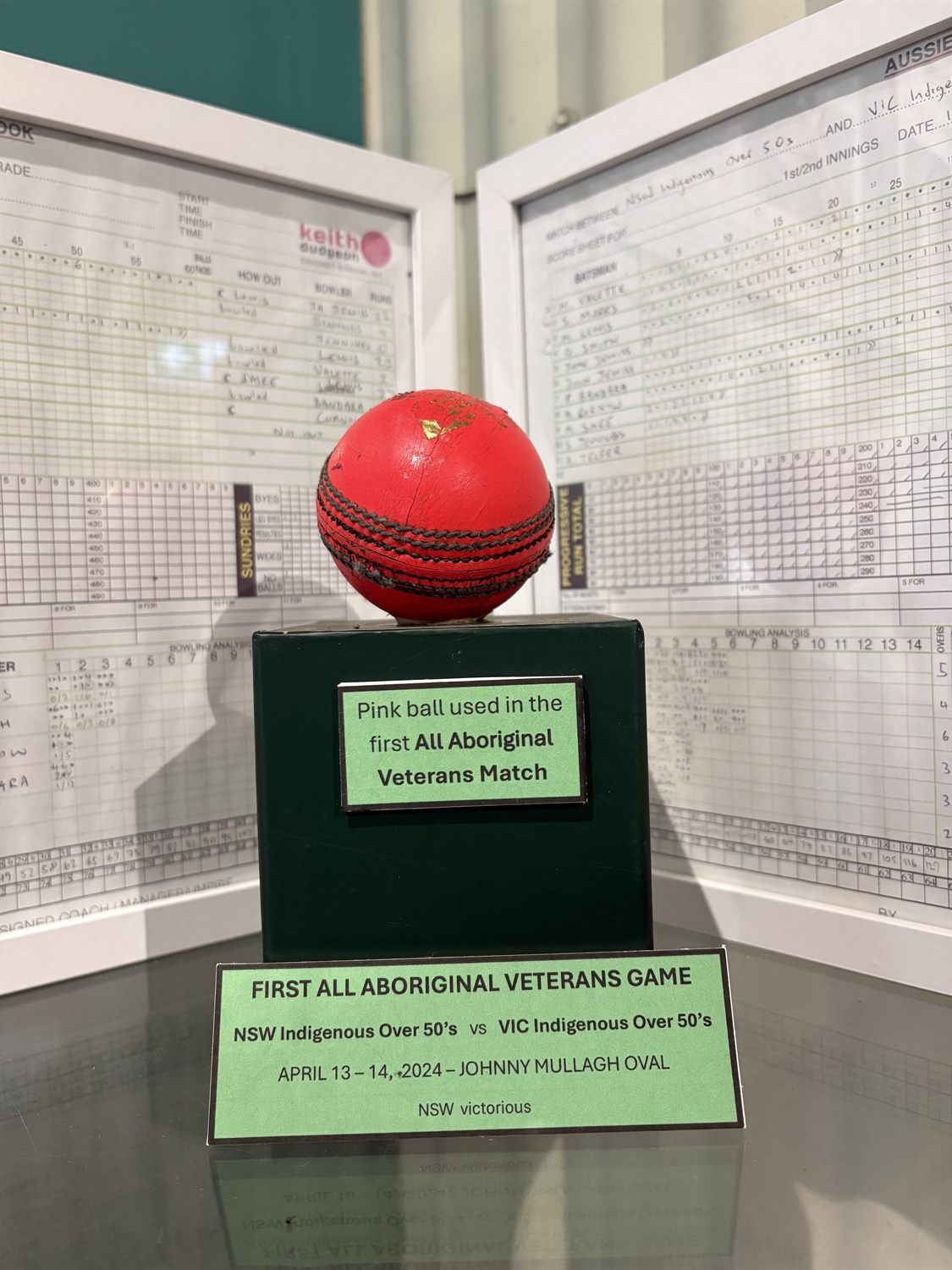
The Aboriginal team that retraced the 1868 journey to England, 120 years on, with its own signed memorabilia held here.
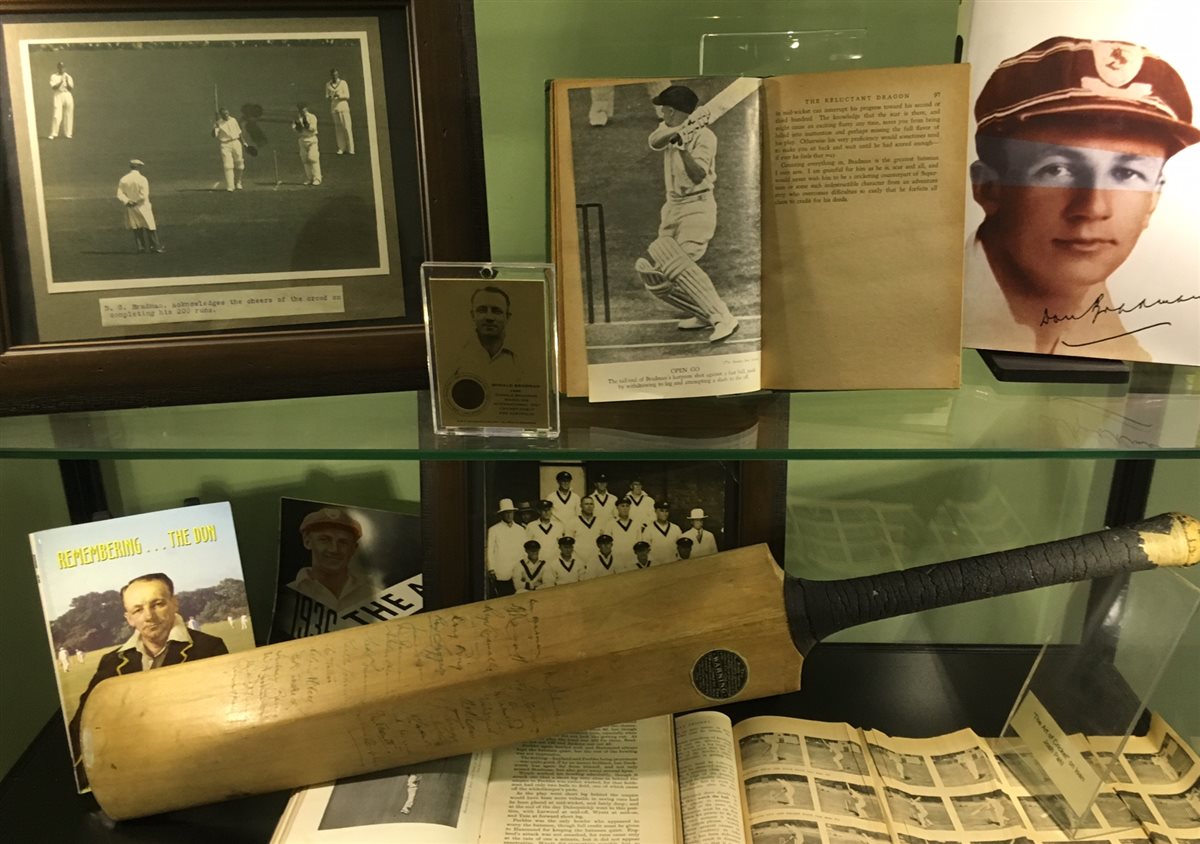
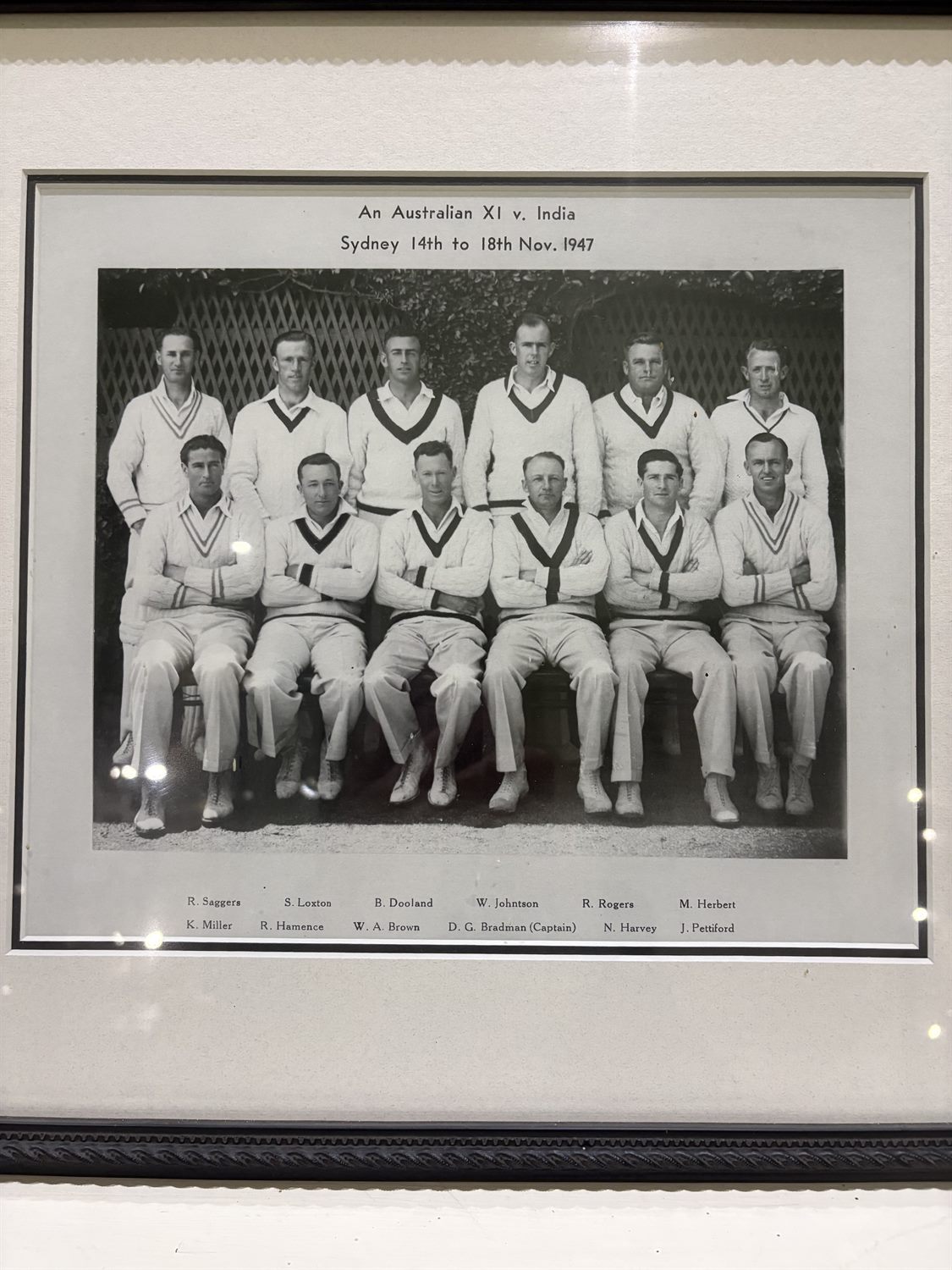
One of the largest privately held collections of Sir Donald Bradman in the world.
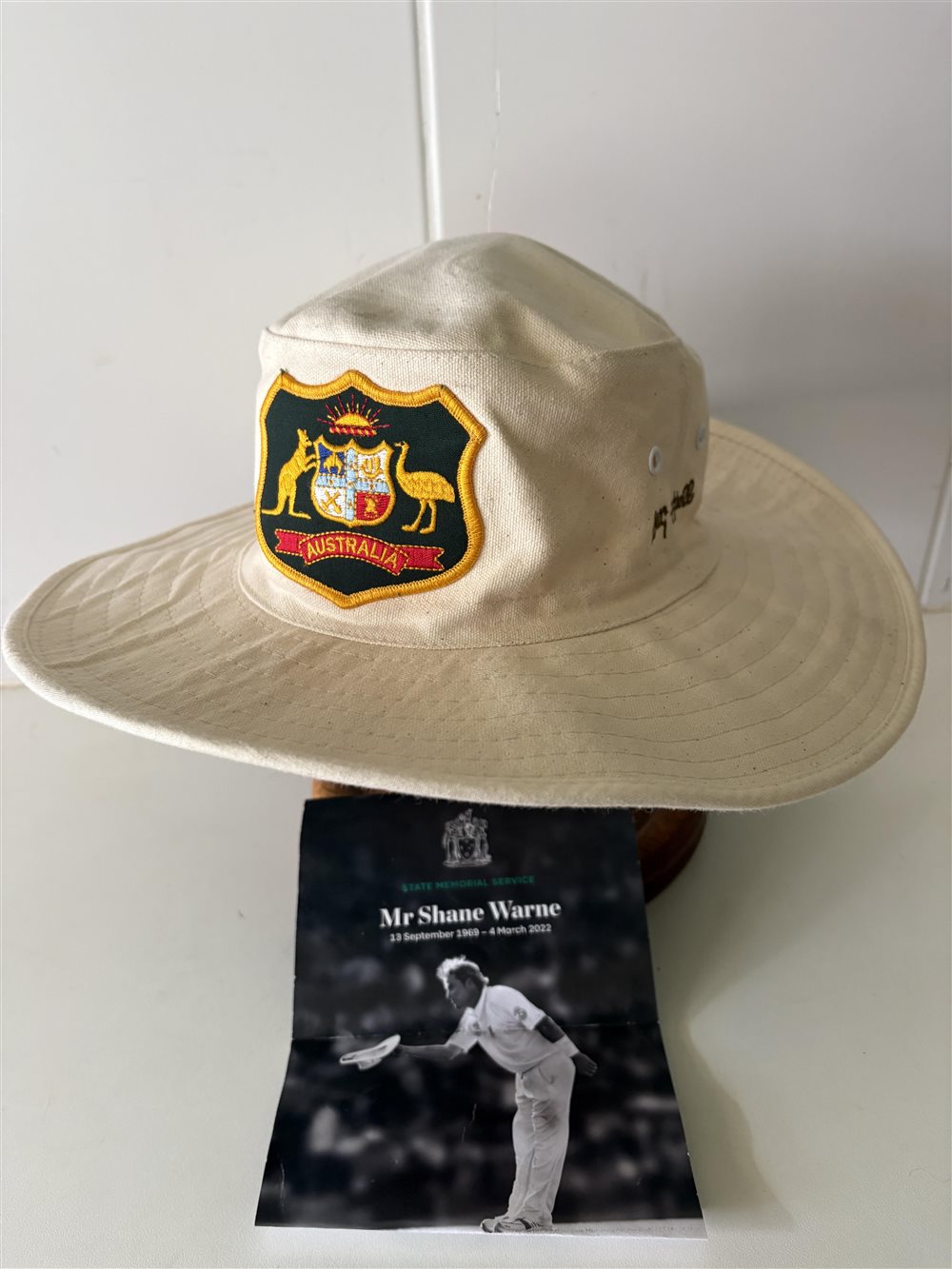
From Shane Warne's broad-brim hat to signed bats and rare memorabilia, treasures from across the game's history.
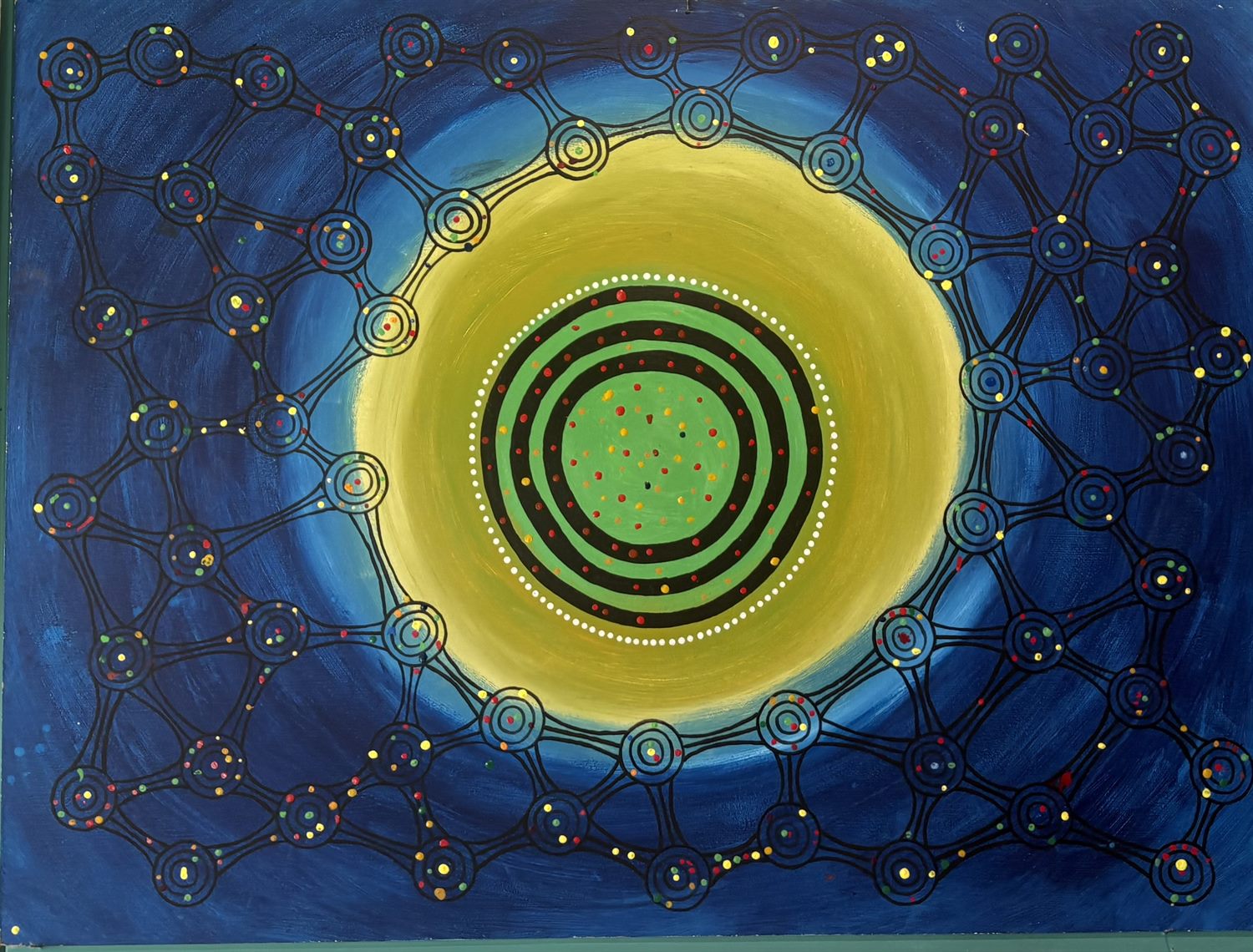
A growing collection of original works by First Nations and local artists, celebrating the story of the First XI.
See the artworksOne of the largest privately held Don Bradman collections in the world sits here in Harrow, beside a deep cricket library and memorabilia spanning the golden age to the modern game.
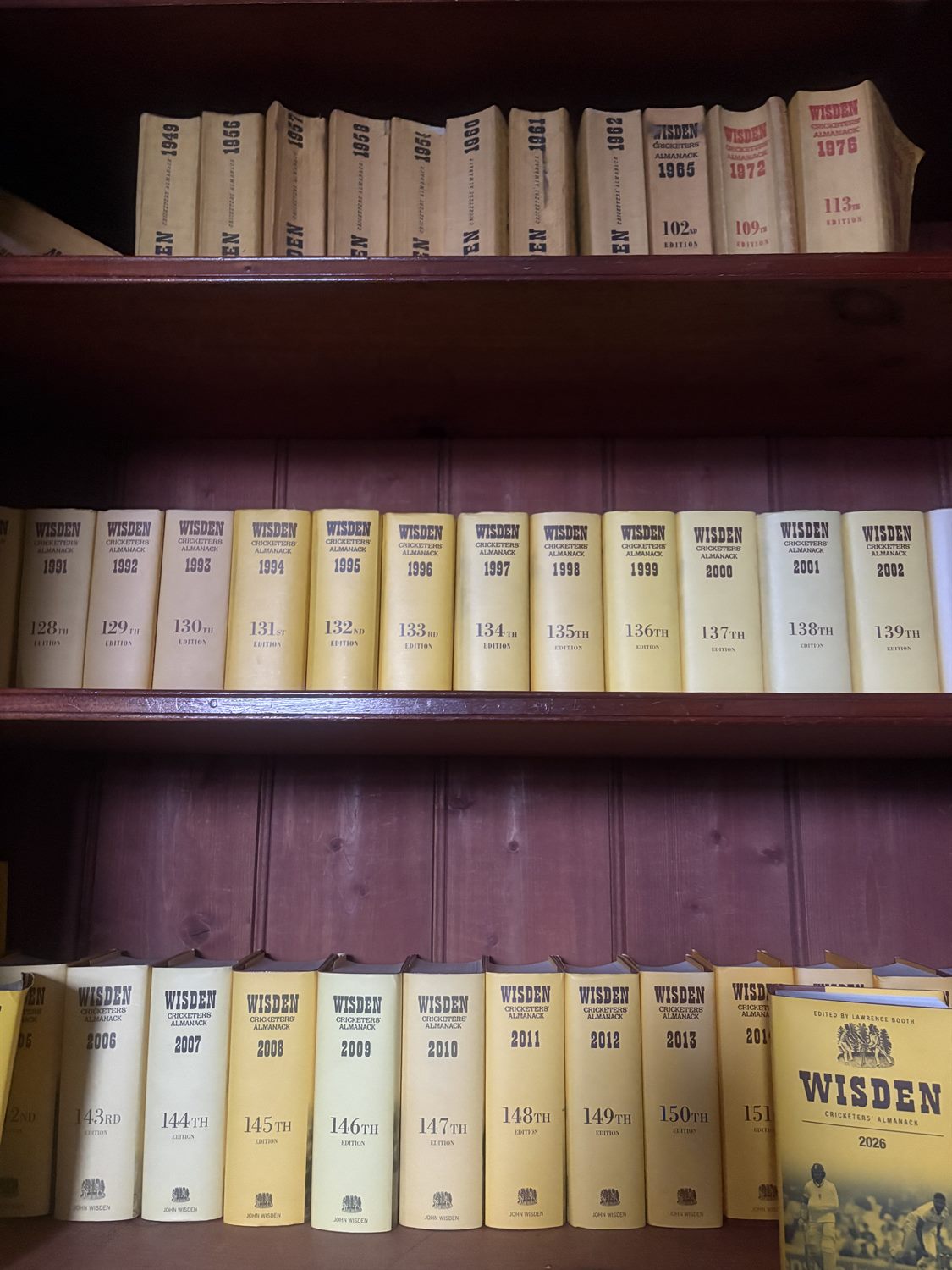
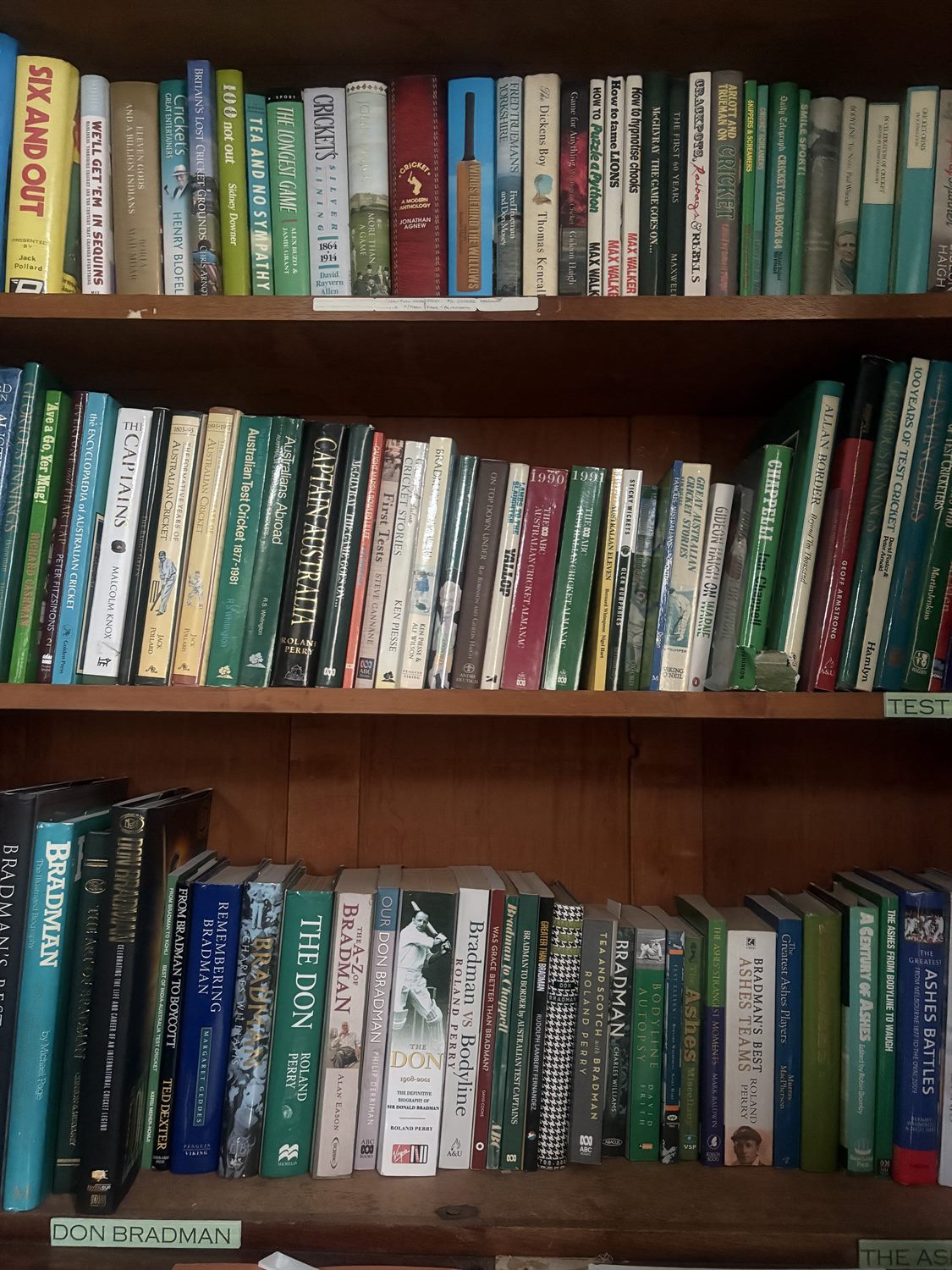
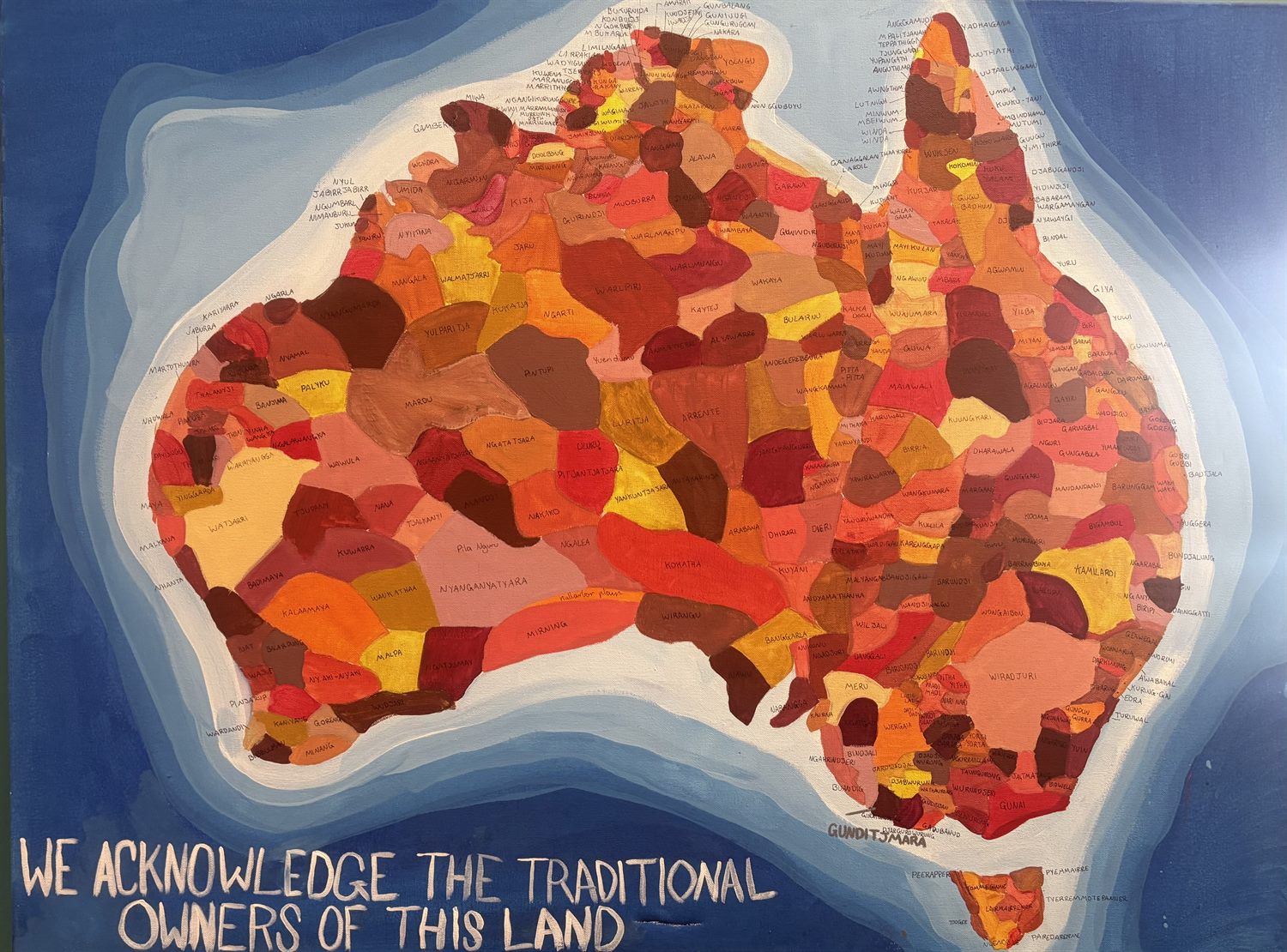
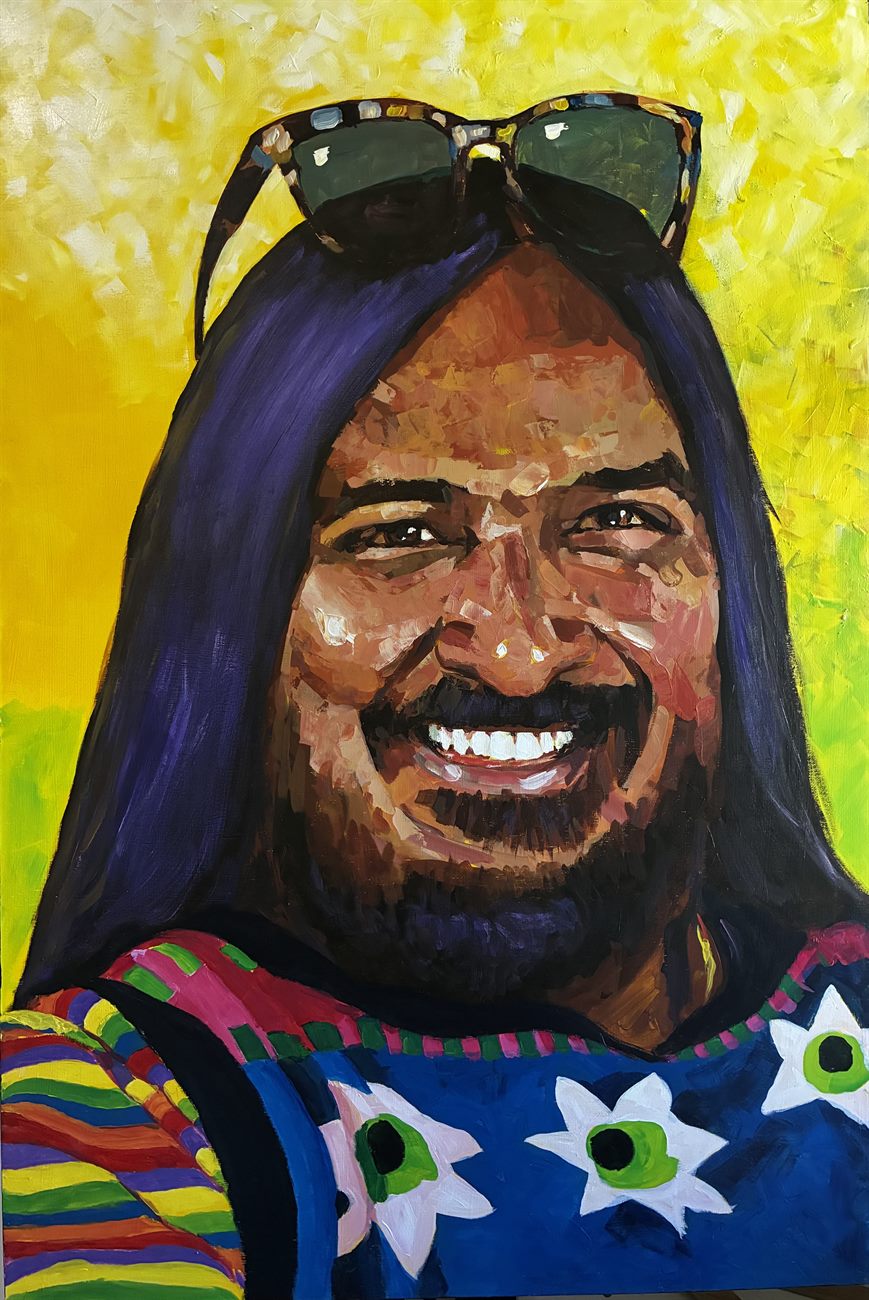
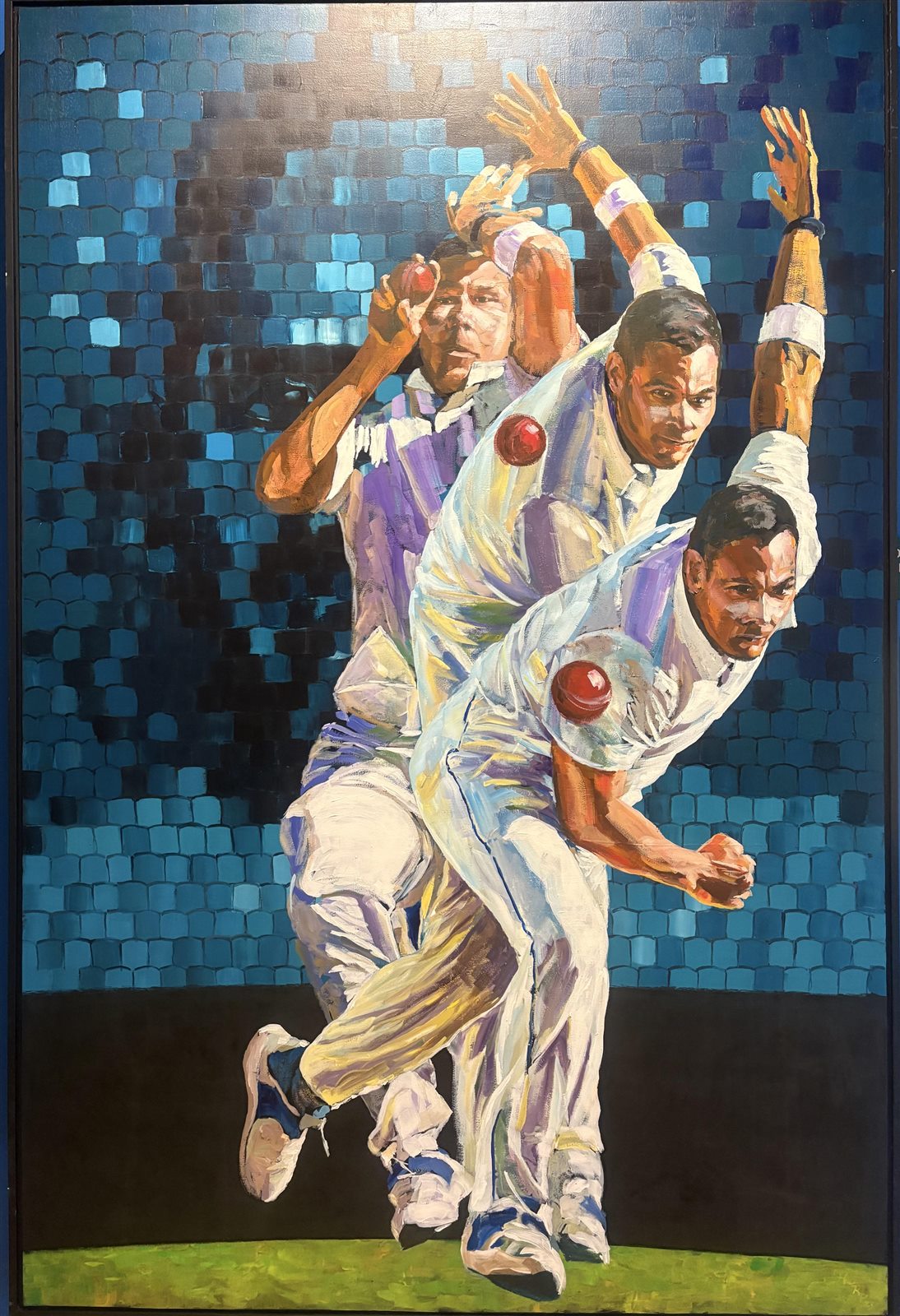
Alongside the memorabilia, the Centre holds a collection of original works by First Nations and local artists, each a different way into the story of Unaarrimin and the First XI.
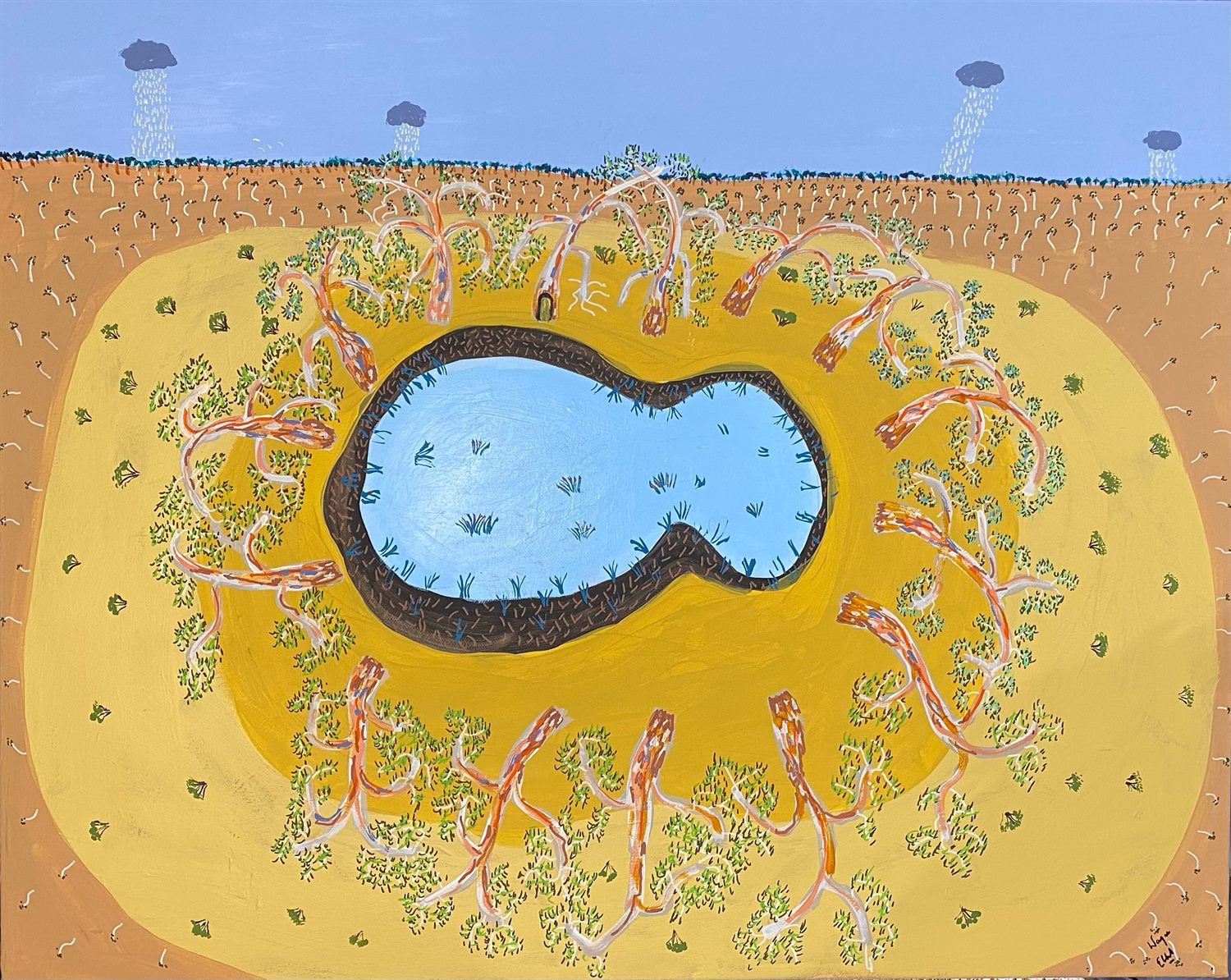
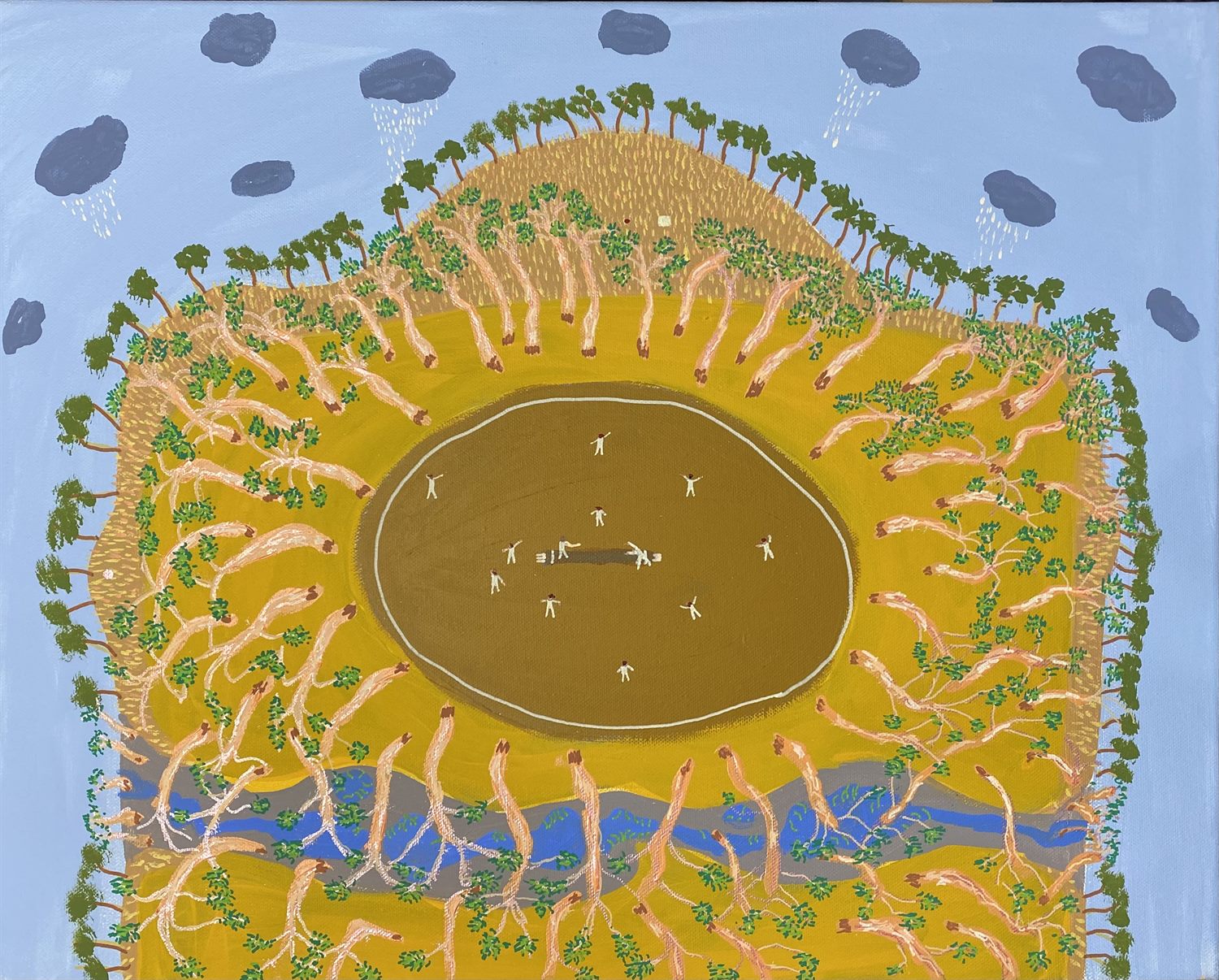
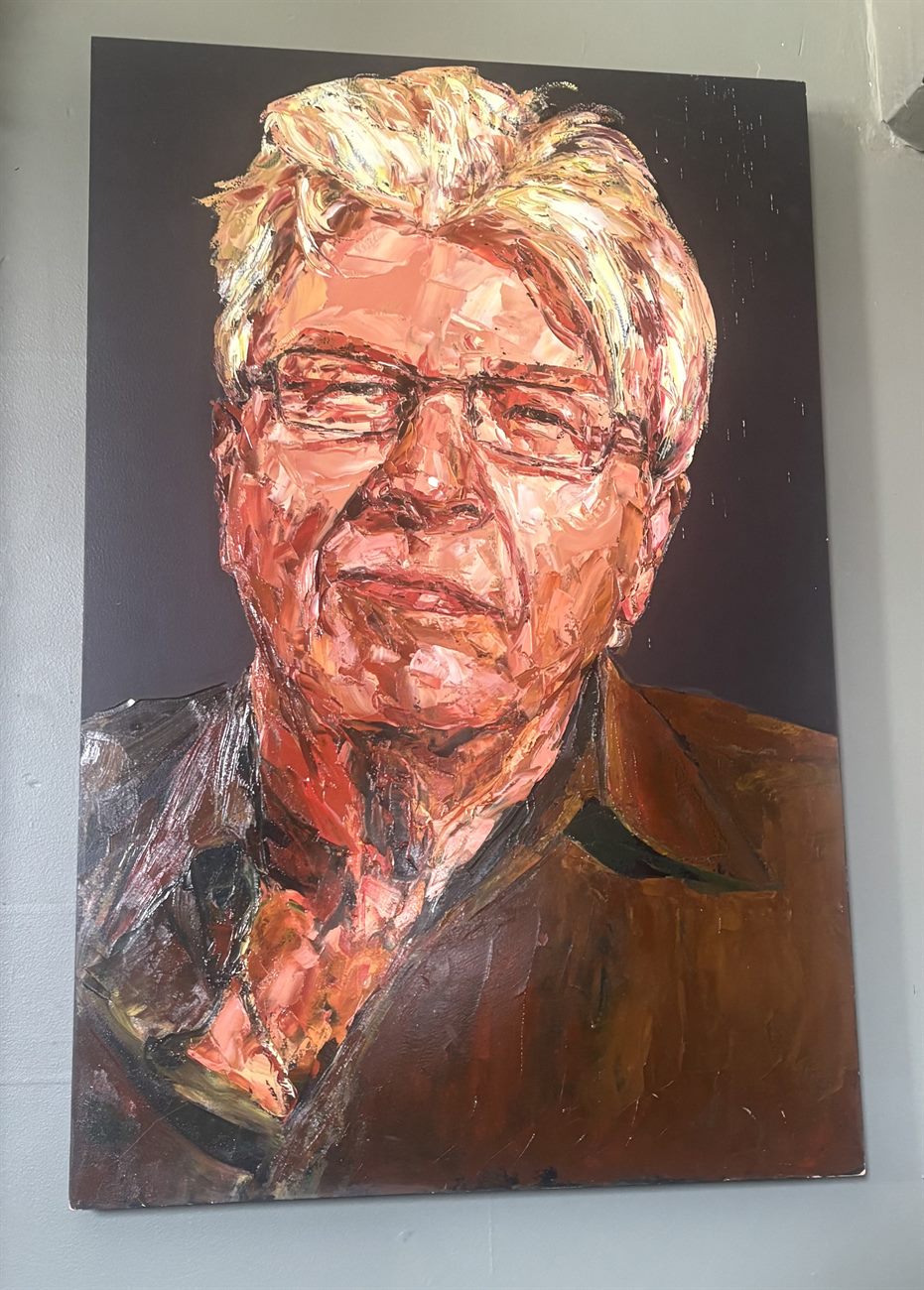
A striking portrait of our patron, Scott Boland, one of the original artworks held at the Centre. Come and stand before the full collection in Harrow.
Scott Boland · painted by Ron ‘Stretch’ Penrose
In 2020, Cricket Australia created the Mullagh Medal in honour of Unaarrimin, Johnny Mullagh, and the First XI. That same year he was inducted into the Australian Cricket Hall of Fame, the first Aboriginal cricketer to be so honoured.
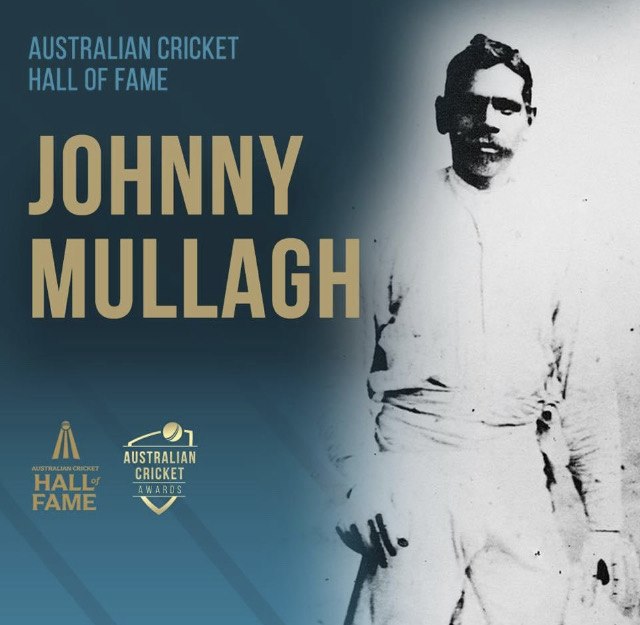
More than 150 years on, the story of the First XI still runs through the heart of Australian cricket.
Become a Patron of the Harrow Discovery Centre, find out how
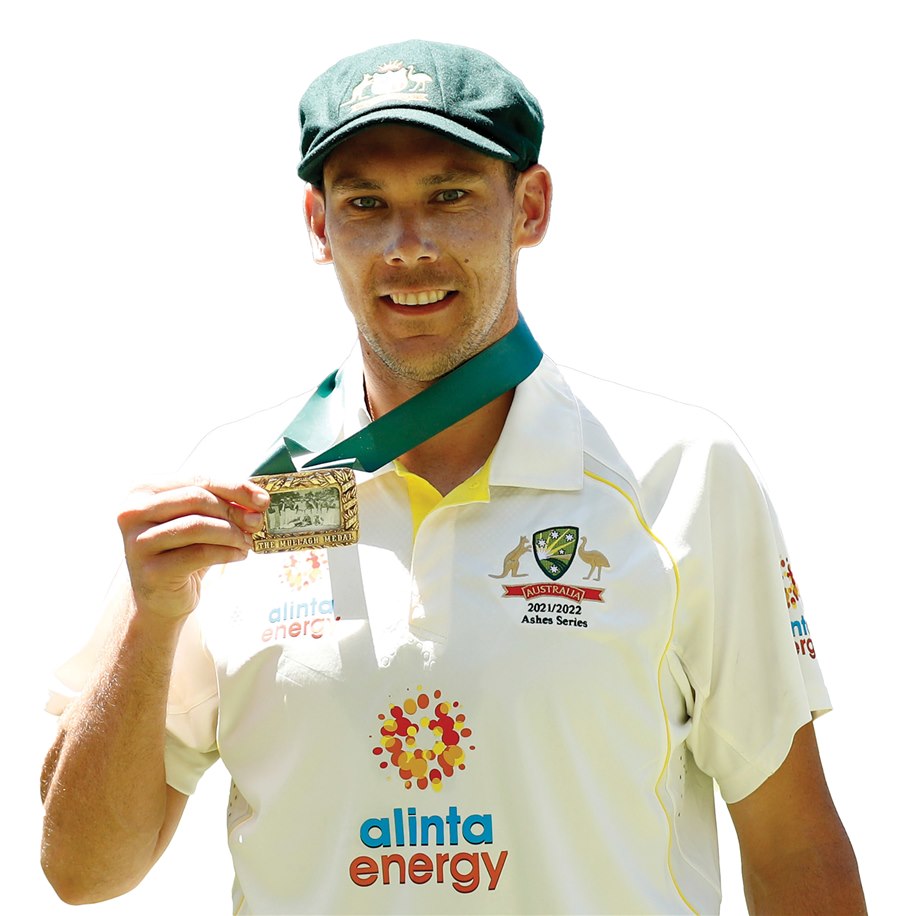
Scott Boland, a proud Gulidjan man and the 2021 Mullagh Medal recipient, is honoured to be patron of the Fellowship Foundation. From the First XI of 1868 to the Test side today, he carries their legacy forward, and lends his voice to keeping the story alive.
Scott's own words on why this story matters to him will appear here.
A short video message from Scott will feature here once it is recorded.
Support the storyThe Discovery Centre was founded, and is still guided, by descendants of the First XI: proud custodians who keep the story true and carry it forward for the generations to come.
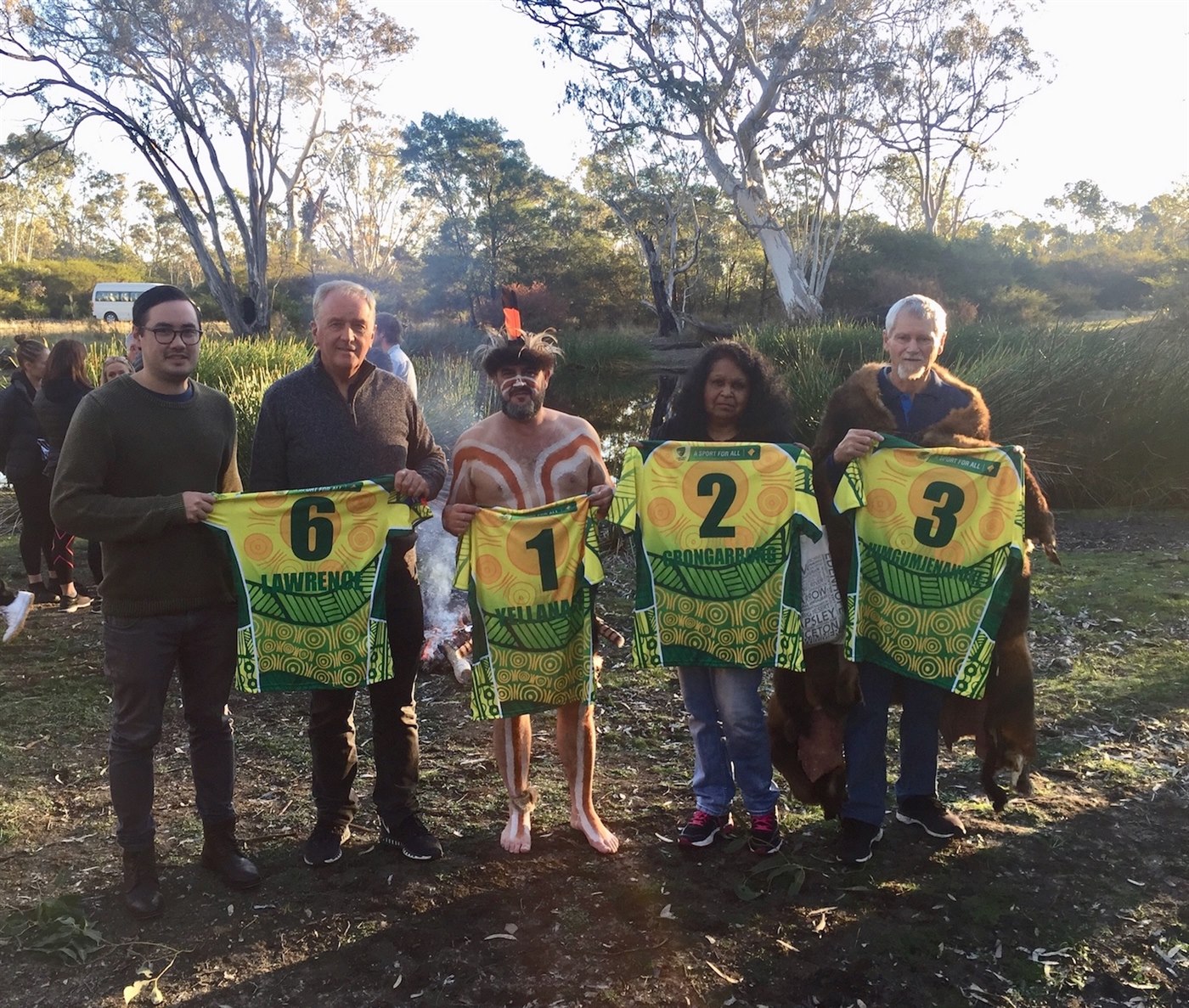
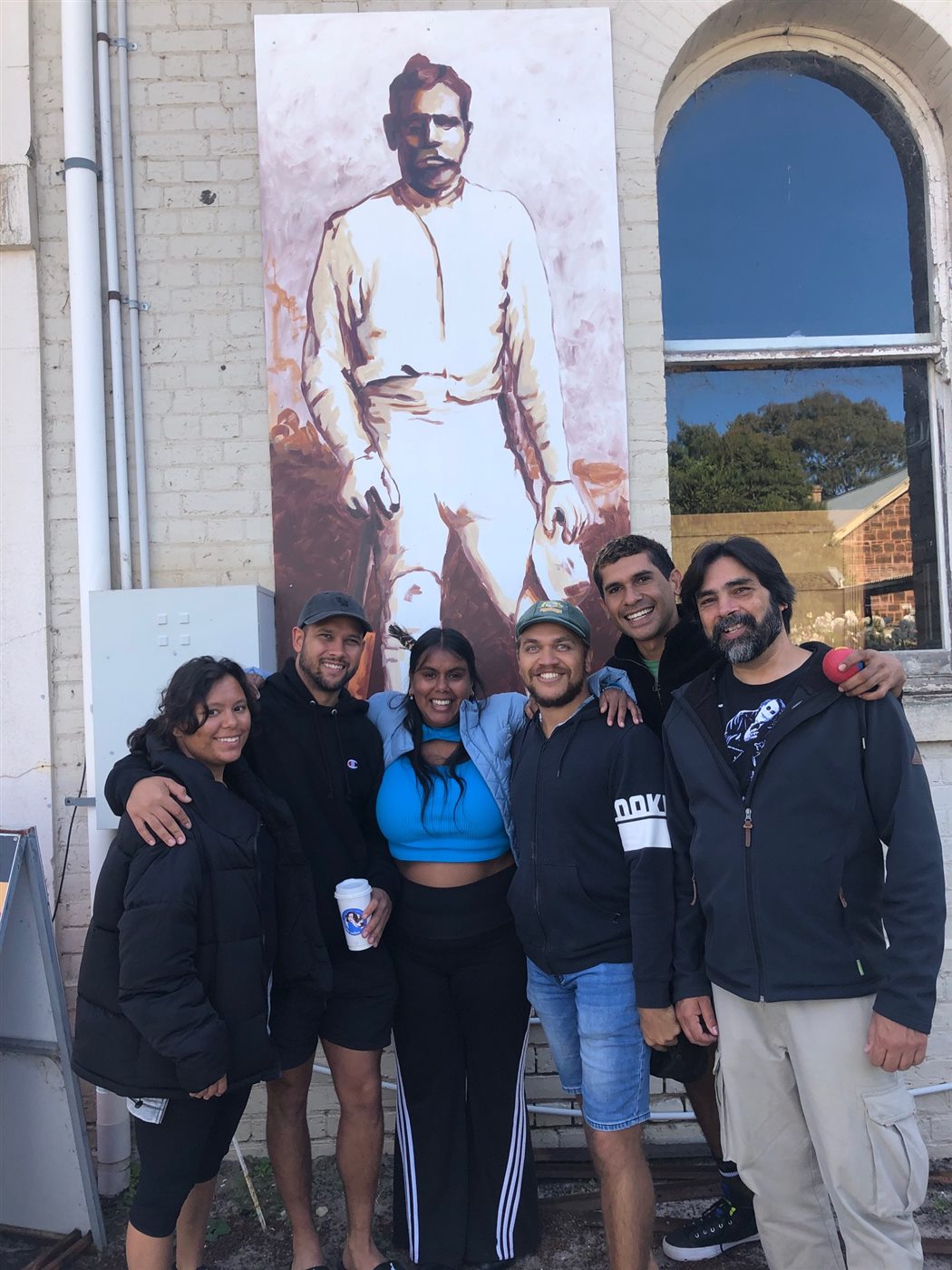
The gathering was held at Johnny Mullagh's waterhole, a quiet place on Country near Harrow where Unaarrimin spent the last years of his life. Here descendants came together in 2018 to mark 150 years since the 1868 tour, each holding the guernsey of their ancestor from the First XI.
"In 2018 we celebrated the 150th anniversary of the First XI tour of 1868. We were all at Johnny Mullagh's waterhole to celebrate with Cricket Australia and the Harrow Discovery Centre, with great respect to our ancestors."
"The Harrow Discovery Centre collaborated with Cricket Australia to commemorate the 150th anniversary of the 1868 touring team, attended by descendants. My son James and I were proud to attend the celebrations that highlighted the Centre's vital role in preserving and sharing this important history."
The story doesn't have to stay in one place. Our new Digital Museum brings the First XI and more than 150 years of cricket history to life online, a growing, members' collection you can explore from anywhere in the world.
In-depth featured exhibitions added every month, so there is always something new to come back for.
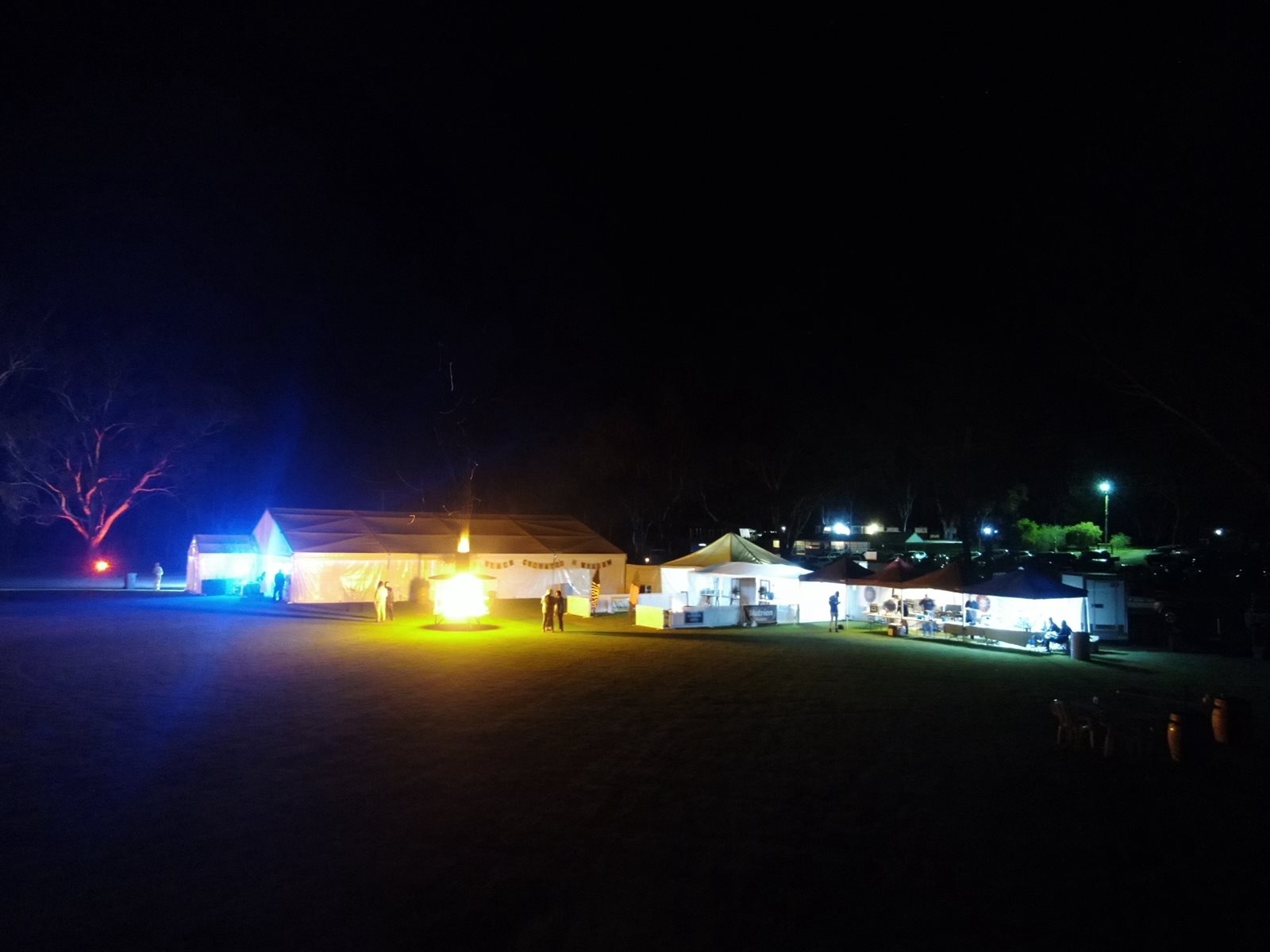
Preview the Digital MuseumAn after-hours experience that brings the town's history to life under the night sky. A standout for groups, clubs and travellers, bookable in advance.
Book the Sound & Light ShowExhibitions change through the year and the calendar fills with events, so no two visits are ever quite the same. Here's what's on.
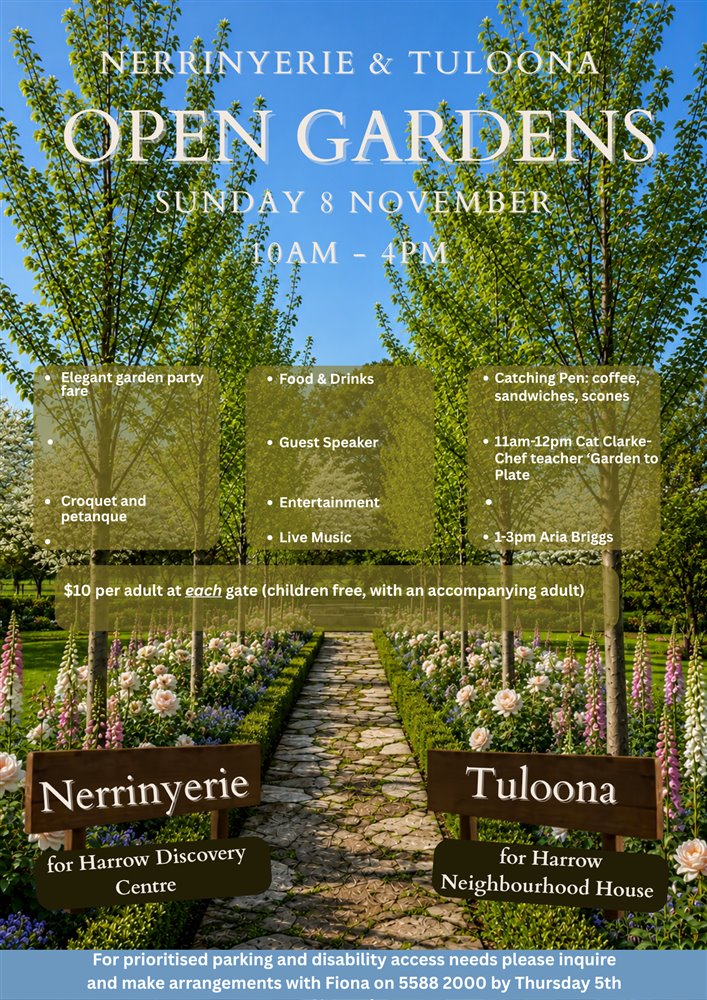
Two beautiful private gardens open for the day. Wander the grounds with garden-party fare, live music, a guest speaker, croquet and petanque, and the Catching Pen for coffee, sandwiches and scones. Cat Clarke leads a "Garden to Plate" session from 11am, with Aria Briggs from 1pm.
Visiting Nerrinyerie supports the Harrow Discovery Centre; Tuloona supports the Harrow Neighbourhood House.
$10 per adult at each gate, children free with an accompanying adult. For priority parking or disability access, please arrange with Fiona on 5588 2000 by Thursday 5 November.
In support of the CentreA permanent collection of original artworks telling the 1868 story, including a striking life-size portrait of Scott Boland.
Always hereThe after-dark experience that brings the town's history to life. Limited dates. Book ahead and stay the night.
Book to stay overThe town's signature weekend of cricket and community. Beds fill fast, so plan early.
Make a weekend of itMake a weekend of it. The Hermitage, licensed since 1853, offers characterful period rooms on the banks of the Glenelg River, with a hearty pub meal and a cold drink, a short walk from the Centre. Powered caravan & camping sites are also close by.
★Show & stay, book the Sound & Light Show, then it's a short walk to a warm bed at the Hermitage. The easiest way to make the trip worth it.
Plan an overnight stayHarrow is one of Victoria's oldest inland towns, and one of its most peaceful. No crowds, no queues, no rush, just heritage streetscapes, river walks and wide country skies, a world away from the busy tourist trail.
There is plenty nearby, too: the walks and lookouts of the Grampians, the vineyards of the Coonawarra just across the border, and the wider Wimmera to explore at your own pace.
"This place is an absolute gem! The history and stories are irreplaceable. Thank you so much!"
Colin and Julie · Visitor book"This is incredible, thank you for creating a place where we can learn so much history."
Emma, Kaniva · Visitor book"For a bloke that never played cricket, what a truly amazing story being told here."
Gavin Lowe · Visitor book"Great exhibition and insight into Aboriginal history. Thank you."
Jacqui and Nick, QLD · Visitor book"Brilliant display! So much amazing history."
Graeme, Maryann and Caitlin, Geelong · Visitor book"Cool museum, interesting cricket history I wasn't aware of."
George, Leicester UK · Visitor book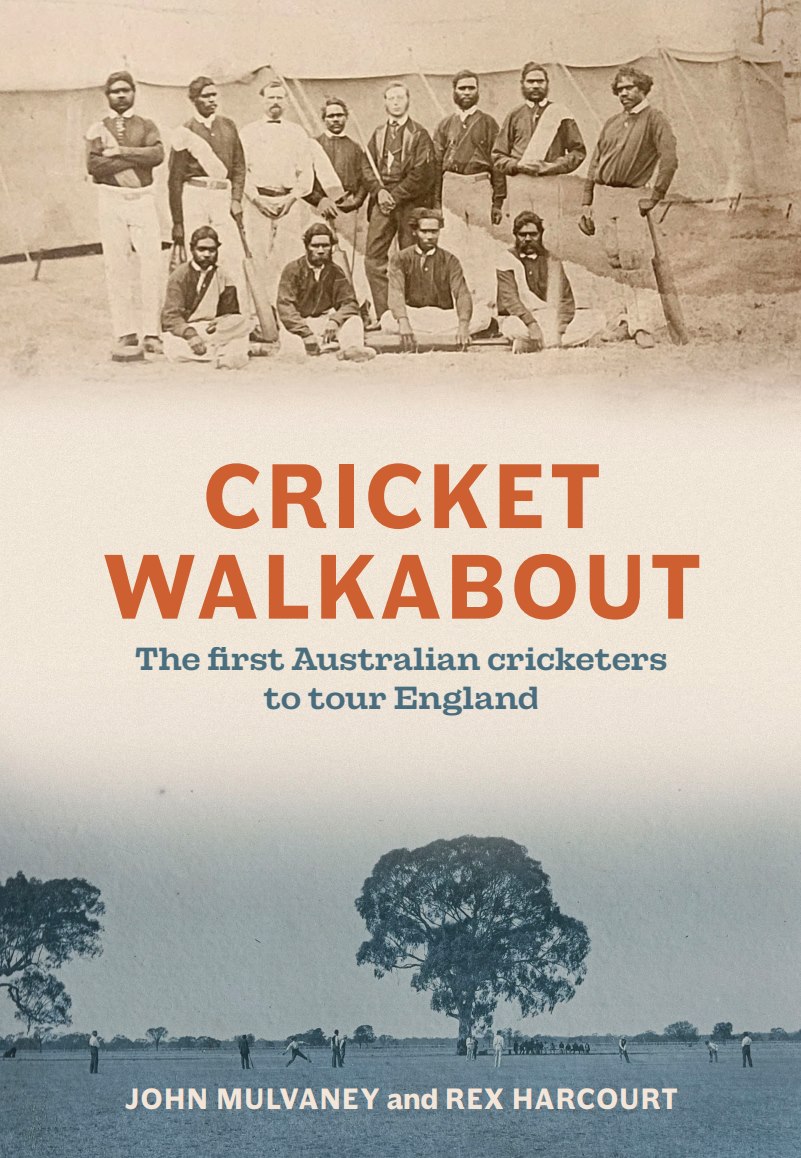
Cricket Walkabout, by John Mulvaney and Rex Harcourt, is the book that first told the story of the First XI, the definitive account of the 1868 tour and the men who made it. A perfect way to take the whole story home.
The shop also carries prints, gifts and mementoes of the First XI. Every purchase helps keep the Centre open and the collection cared for.
Visit the shopNew exhibitions, event dates and Show nights, straight to your inbox, so you never miss a reason to visit.
The Discovery Centre is run by a dedicated committee of management and volunteers, together with the Harrow Historical Society, who give their time to keep the story safe and welcome every visitor as their own. Established in 2004, its people are drawn from across the region, brought together by one remarkable story.
It's a registered not-for-profit and a tax-deductible public museum, so every ticket, purchase and gift goes straight back into keeping the doors open and the collection cared for.
"I support the work of the HDC in telling the story of our ancestors, a story that we are proud of, and for the great support of the Harrow community. Without this support, very little of this story would be shared with the cricket community, let alone the general public. This information centre was established with the consent of two of our Elders, the late Uncle Jack Kennedy, a proud Wotjobaluk man, and Uncle Ivan Cousins, a proud Gunditjmara man."
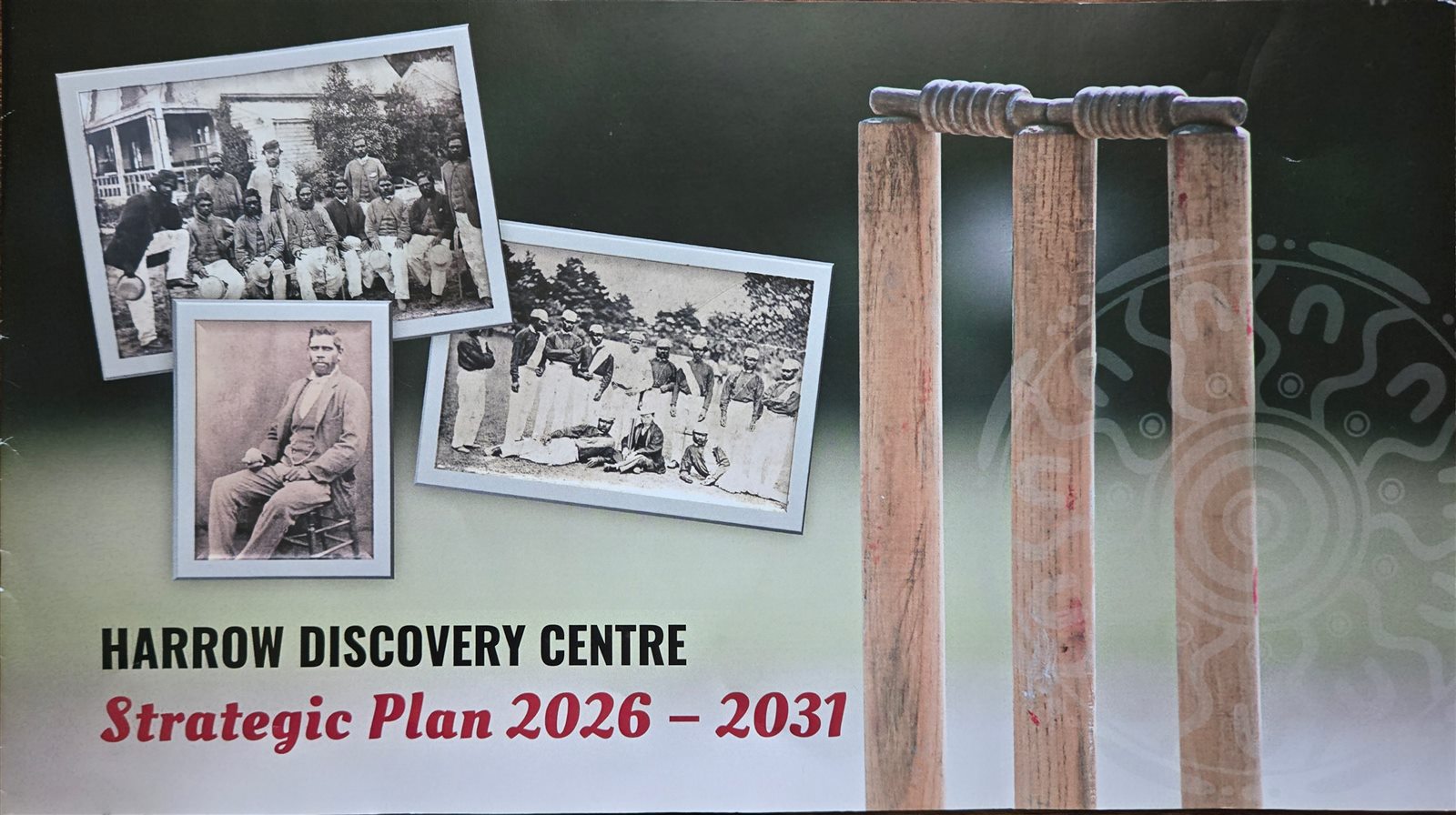
The Centre's Strategic Plan sets out our direction for the years ahead. A copy is available on request.